WHEN BIG SPORTS SPONSORS STIFFED THE WINNERS
The only newsletter that checks under the boat.

Nearly 150 years ago people watched rowing like it was the Super Bowl. And just like the Super Bowl, the real action was the sponsors.
I love this story. I made it an X thread a few years ago, and wanted to bring it back. In 1879 a patent medicine company put up $6,000 for a rowing race and even branded one of the boats.
The night before somebody nearly sawed the boat in half. The other guy rowed the race alone and won. But the sponsor never paid up.
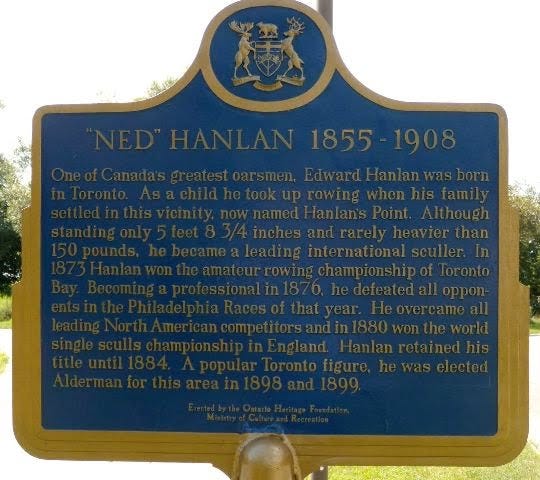
This was Toronto’s Edward “Ned” Hanlan, and everyone at the time wanted a piece of the marketing pie.
HE LEARNED TO ROW AWAY FROM THINGS
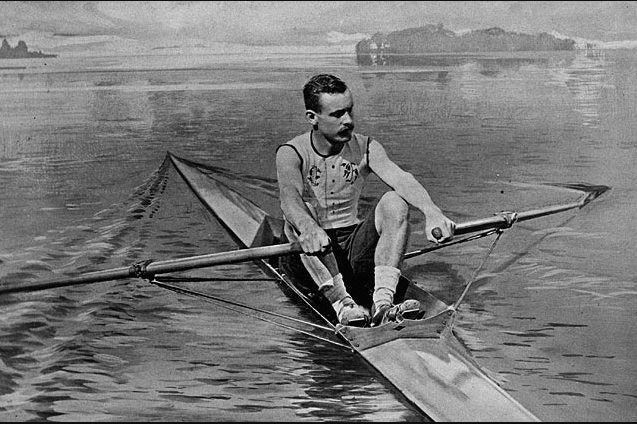
Hanlan was born July 12, 1855 and grew up on Toronto Island where his father ran a hotel.
As a youngster he sold liquor outside of the hotel without a permit, escaping the police via boat. A real aquatic Grant Theft Auto situation.
Once he started winning rowing races nobody seemed to care too much about that. By 1876 a syndicate of Toronto businessmen calling themselves the Hanlan Club was booking his races and negotiating the prizes.
In a 1878 race win over Fred Plaisted, as many as 40,000 fans watched. The city declared it a holiday and one fan fell off the grain elevator to their death. That’s fandom.
In the fall of that year he beat the American champion Charles Courtney in Lachine, Quebec. The scene was a betting frenzy that would make today’s glut of gambling ads seem tame.
A PATENT MEDICINE COMPANY BOUGHT THE SPORT
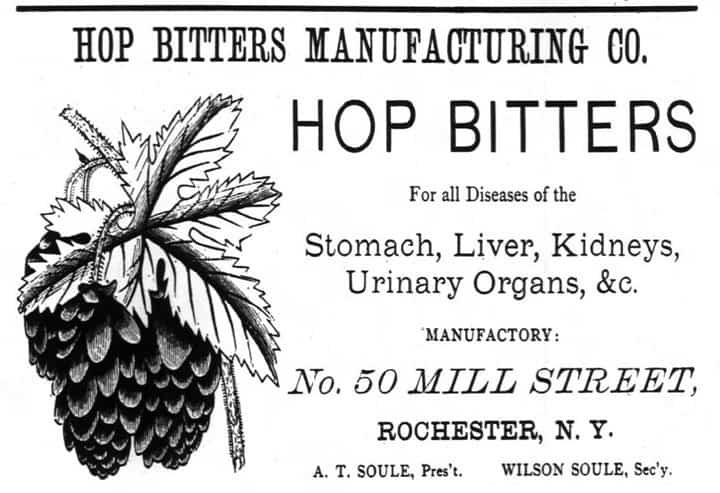
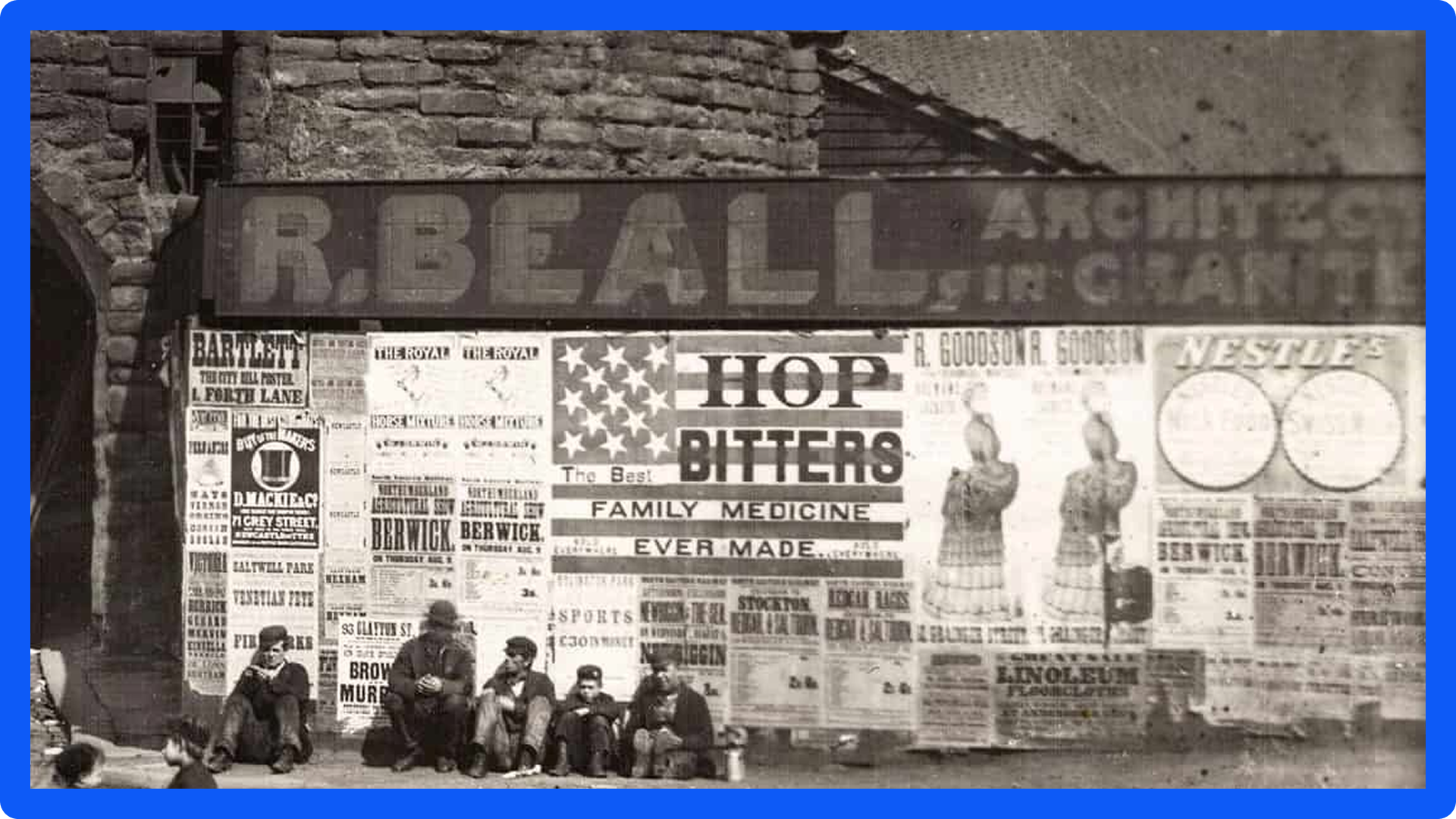
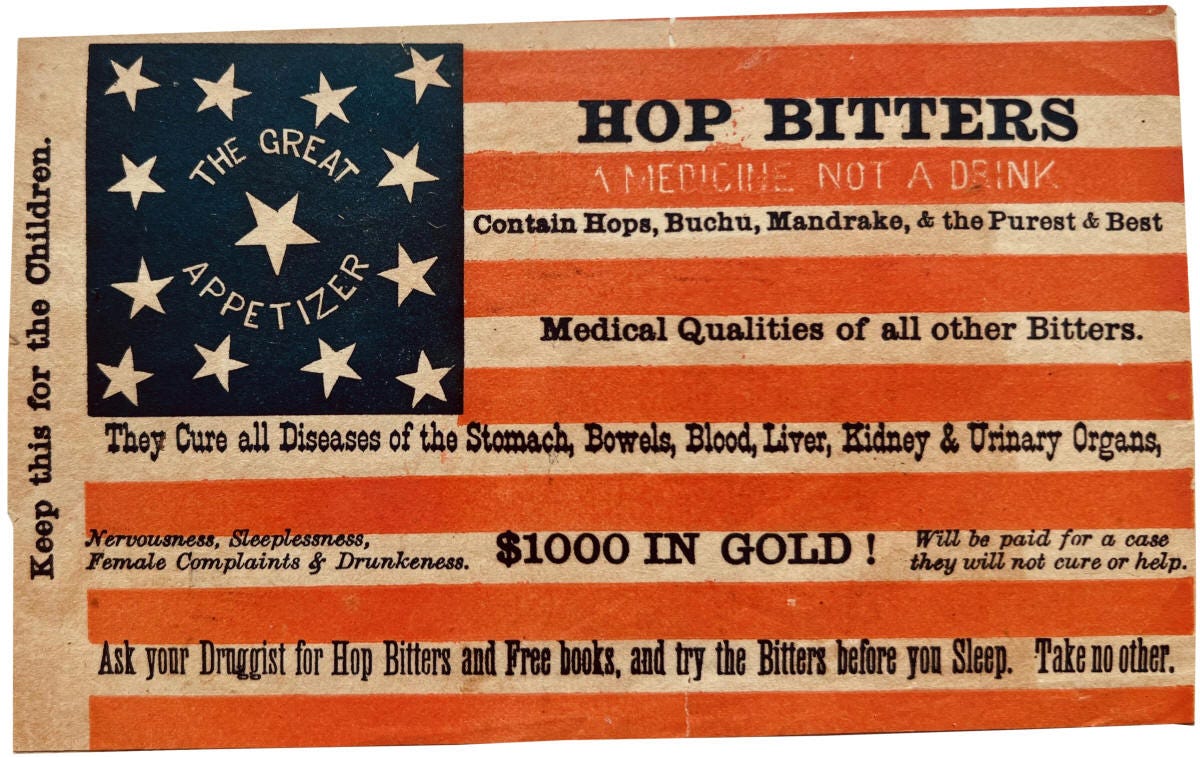
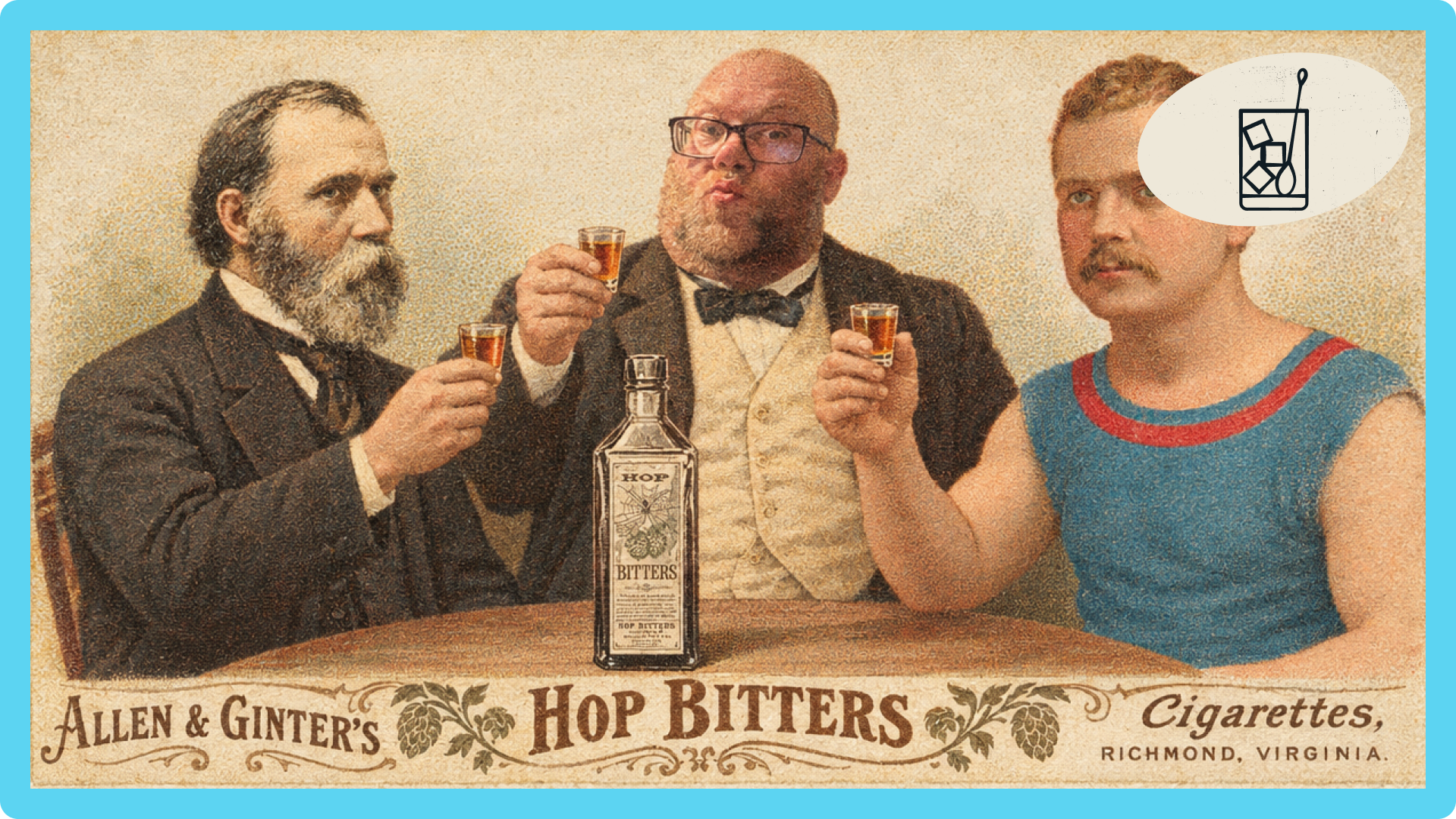
Asa T. Soule of Rochester took a “medical beverage” and renamed it Hop Bitters and spent up to $180,000 a year advertising it. The brand promised cures of kidney troubles, “female complaints” and even drunkenness. Or the incredibly over the top headline: “Read it all. It may save your life.” It was the purest and best medicine ever made after all.
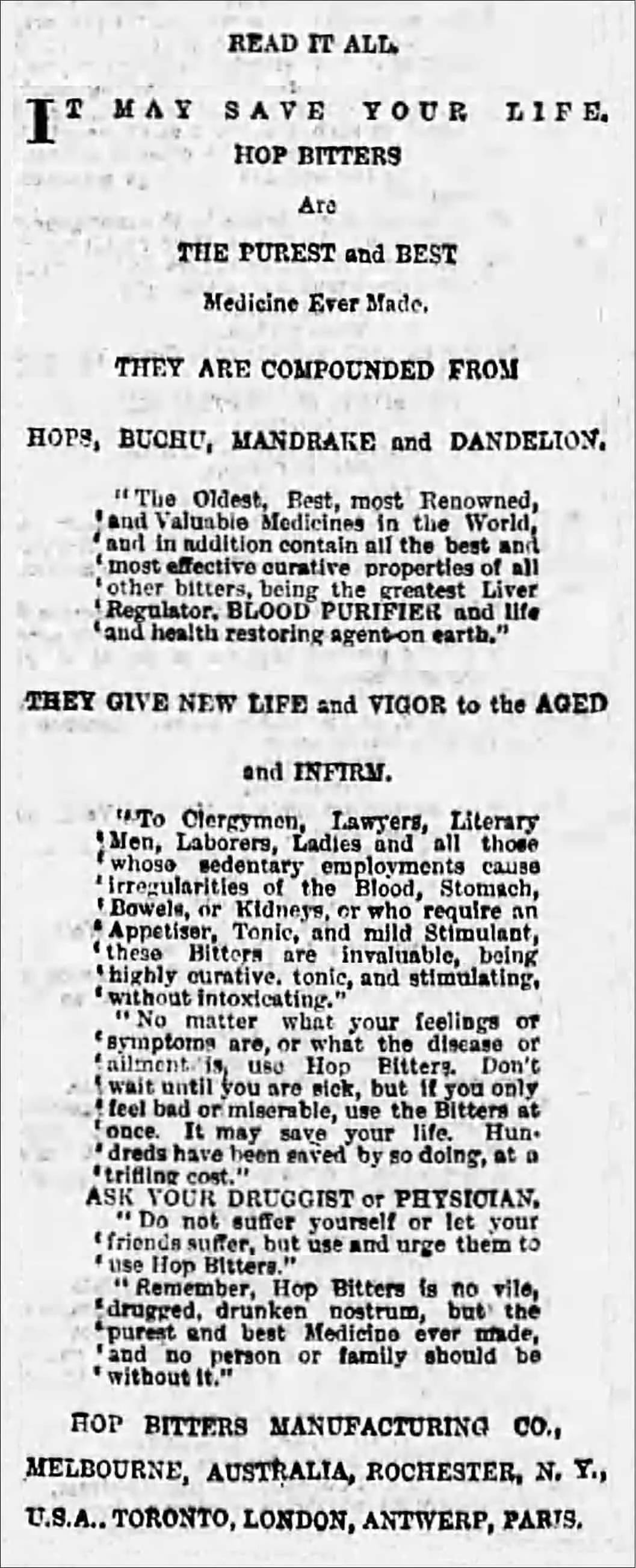
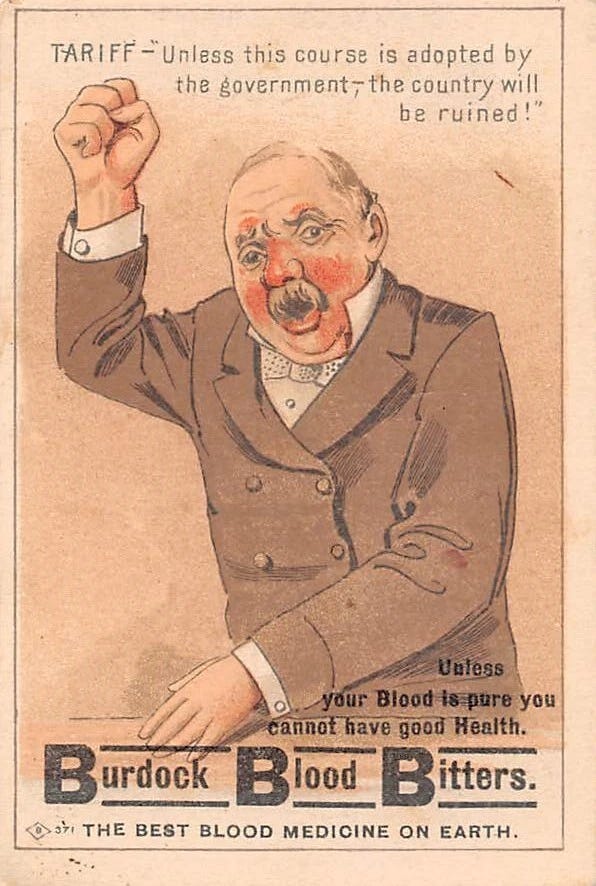
The funny thing about these bitters is that they could be stronger than most wines. So they cured drunkenness about as effectively as an Old Fashioned might cure getting hammered. And let’s just say the whole genre of bitters ads were pretty wild. Like seriously. And worth noting that this research ended up with me reviewing old bitter brand trademark submissions for a few hours. Trust me, worth the click.
Oh, and Soule wrote his own ad copy. Nothing better than a client writing the copy. he famously offered up $1,000 in gold to anyone whose ailment Hop Bitters couldn’t cure or help.
It’s been a while since I could work some baseball content into the newsletter, so it’s fitting that Soule bought a bankrupt ball club and renamed them the Rochester Hop Bitters and sent them on tour around the country as an ad for the bitters. In 2018, the Rochester Red Wings played a game as the Hop Bitters.
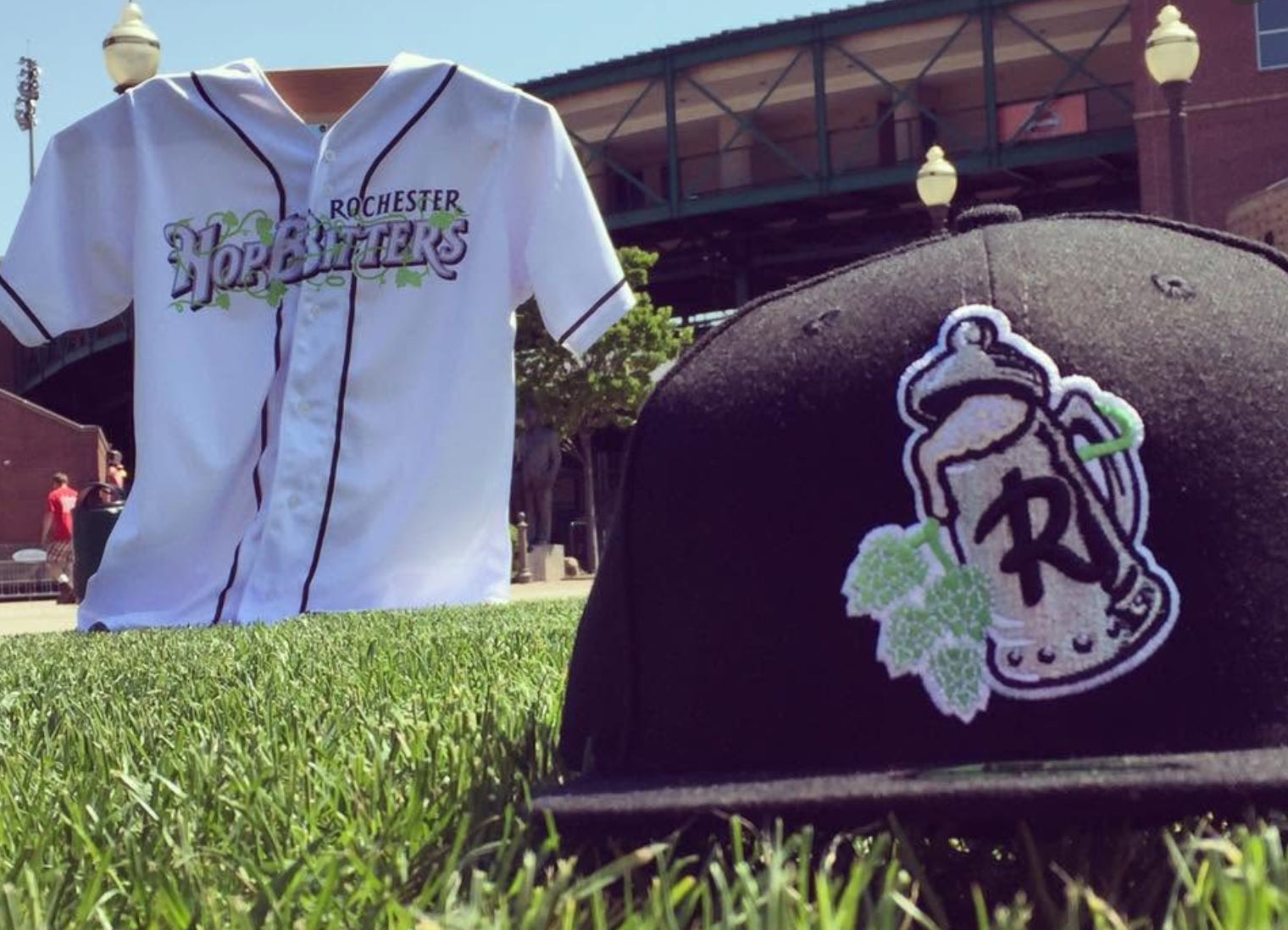
As much as the 2018 merch was cool, what he really wanted as a rowing rematch.
THE SPONSOR’S BOAT GOT SAWED
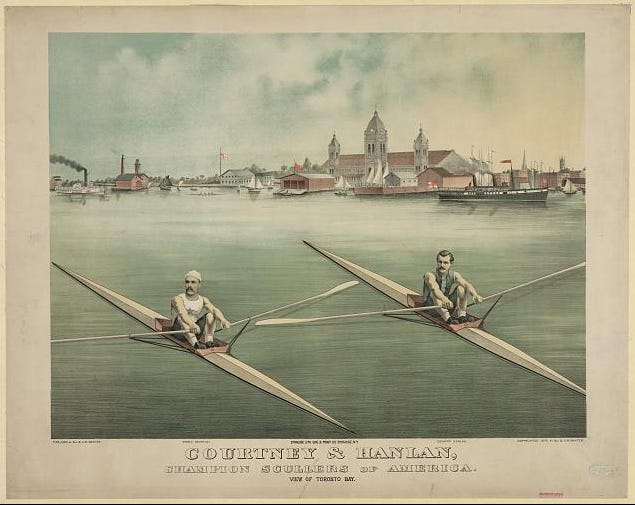
The rematch of Hanlan vs Courtney at Chautauqua Lake was billed as “the race of the century.” They even built a short rail line so observation cars with stadium seating could run beside the course. For a rowing race? Yes, for a rowing race.
Race merch included ties in each rower’s racing colors and the dock became a beer garden. These people were starved for social, streaming and better merch.
Courtney’s shell was named Hop Bitters, obviously. On the morning of the race it was found nearly sawed in half. The saw was owned by a Rochester confectioner who had used it to build his concession stand. But nobody really knows who did it. A 1900 letter surfaced in 1983 reportedly suggesting maybe it was a Courtney backer.
Courtney wouldn’t race. Hanlan rowed the five-mile course alone, but Soule refused to ever release the $6,000 prize which sat in a bank.
Eight months later Soule threw his own Hop Bitters Regatta and Hanlan lost that one.
A rematch on the Potomac in May 1880 reportedly drew as many as 100,000 fans, US President Hayes and most of Congress had recessed to bet on it. Courtney quit after two miles, blaming heat stroke.
But the ugly suspicion of pro rowing being fixed helped prevent it becoming a major spectator sport after that.
THE CARD WAS PACKAGING BEFORE IT WAS A COLLECTIBLE
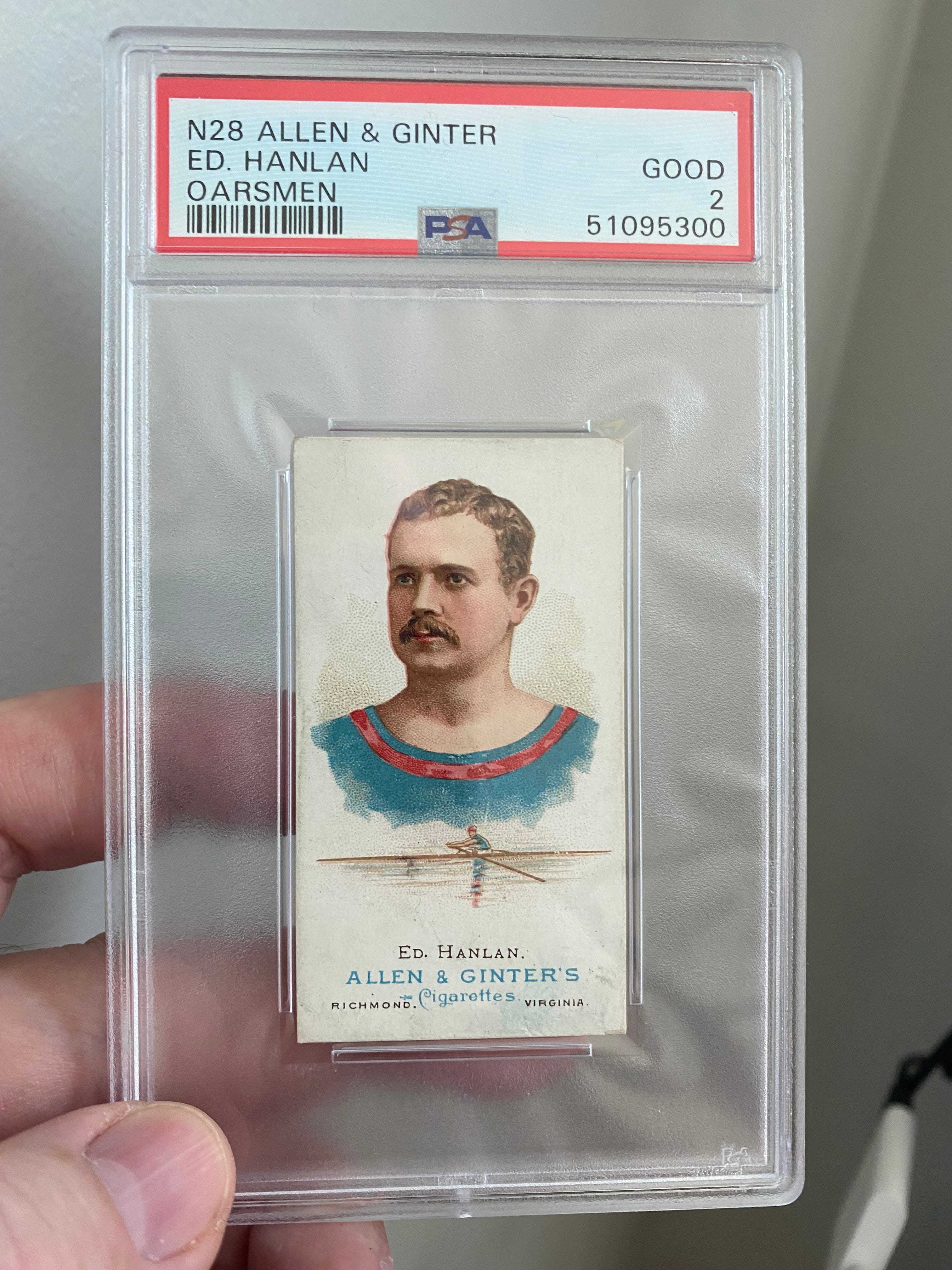
I got into the Ned Hanlan story because I once saw his card in the 1887 World’s Champions Allen & Ginter set. The cigarette cards started as blank cardboard designed to stiffen soft packs. Then somebody started printing ads on them. Then a genius started making them into sets so you’d buy more.
The set features most of Hanlan’s rowing nemeses and ten baseball players Hanlan was more famous than at the time. Six of those ten would go on to be inducted into the Hall of Fame.
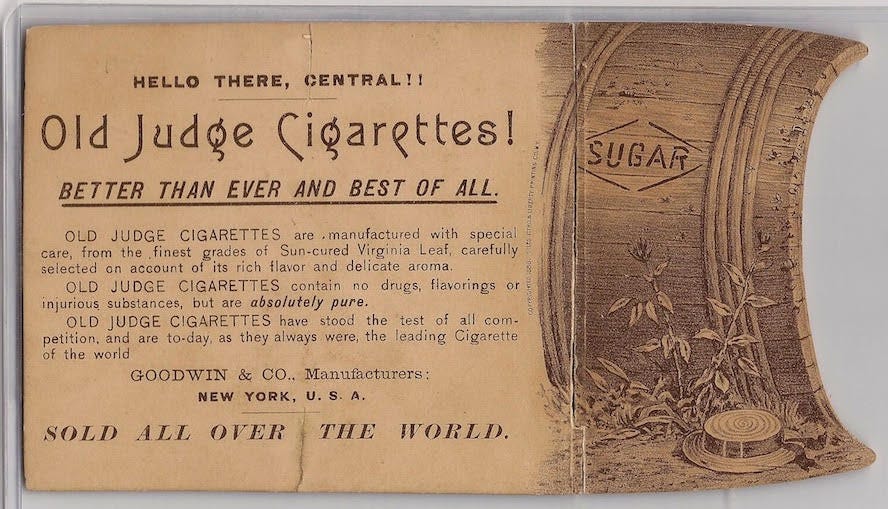
Hanlan ended up on cards for at least five different tobacco brands. Two were from Rochester. Kimball sold a tobacco called Regatta and “Catarrh Cigarettes” for asthma, so one town sold you the bitters to cure drinking and the cigarettes to cure breathing. Genius.
THE SHOWMAN BEFORE THE FEED
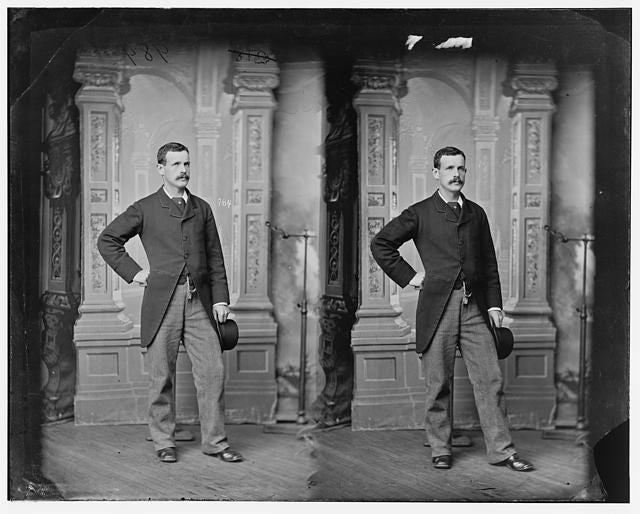
Hanlan was the original showman. He did autograph sessions, performed rowing demos and went on tour.
In 1878 a railroad-backed tour paid him a reported $3,900. In 1880 he captured the world title racing on the Thames from Australian Edward Trickett, who was a half foot taller than the Tom Cruise-sized Hanlan.
Hanlan pretended to be tired and let Trickett catch up, then took the lead again, supposedly lying down in his boat and blowing kisses to fans. An English glassworks commemorated this with a beer tankard.
Hanlan would defend his title many times and finished with more than 300 wins and fewer than a dozen losses.
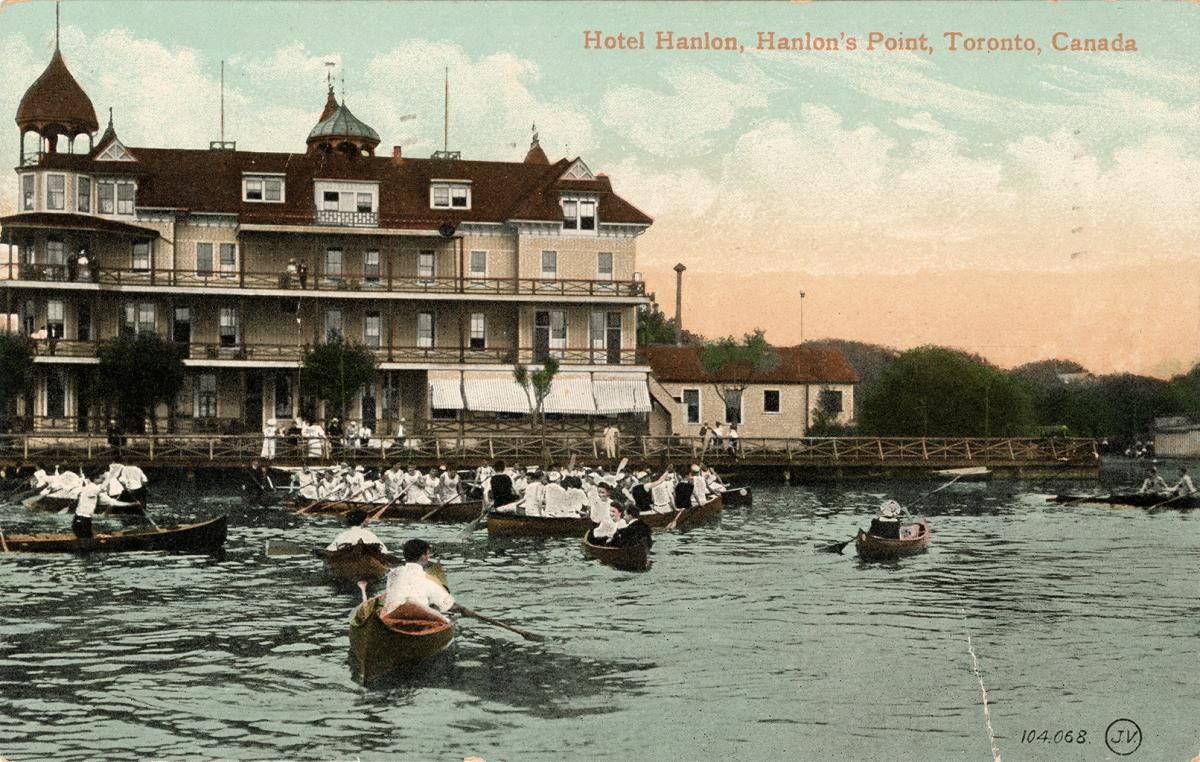
He opened Hanlan’s Hotel on Toronto Island and was still unable to get that liquor license. The hotel was still there in 1914 when Babe Ruth played for the Providence Grays at Hanlan’s Point Stadium. While pitching a 9-0 shutout over the Toronto Maple Leafs (funny since as I wrote this the hockey Leafs went on an incredible 0-9 skid with Toronto fans literally booing them before finally winning a game) also hit his first professional home run.
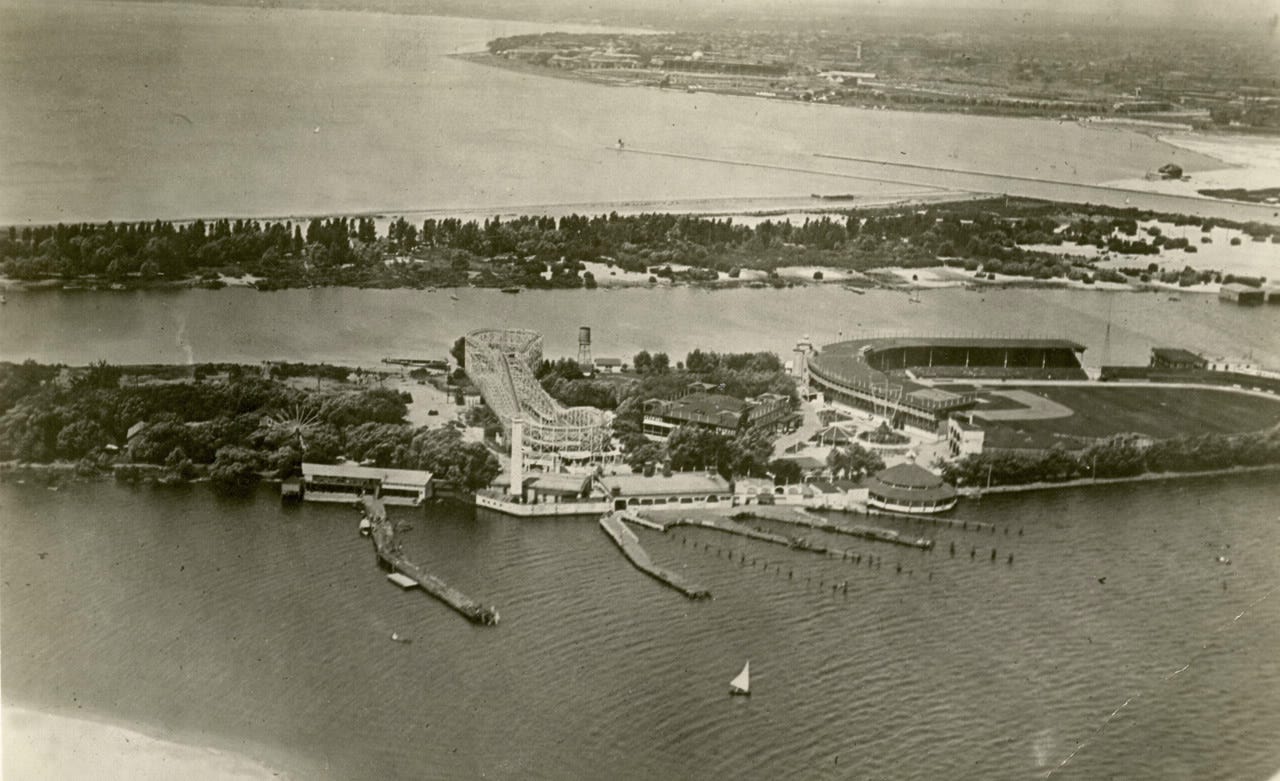
They say the ball is still at the bottom of Lake Ontario.
In 1908 at the age of 52, Hanlan died of pneumonia. 10,000 people filed past his coffin in a state-like funeral procession. News of his death ran in newspapers around the globe.
NICOLAS CAGE KEEPS PLAYING THE MERCH
The Hanlan story was good. So good in fact that in 1986 somebody tried to make it a hit with Nicolas Cage playing him in The Boy in Blue.
The trailer is amazing and promised “the true story of a legend who left history in his wake.” The VHS covers are better.
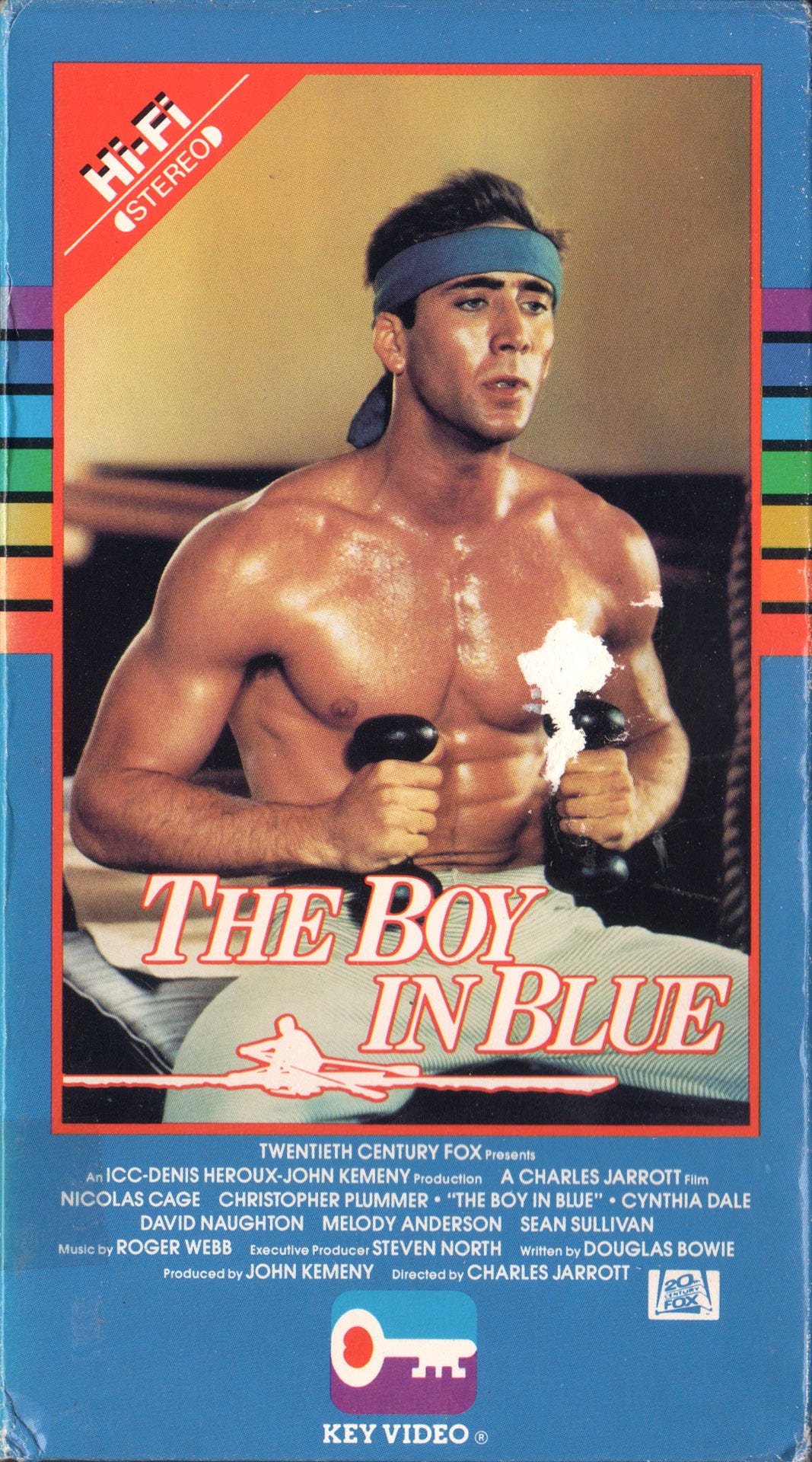
They feature a very sweaty Cage chewing scenery not like it’s the 1880s but like he’s in some sort of 1890s workout infomercial, headbands included.
The film reportedly cost $7.7 million CAD to make only to earn back $275,000. Nathan Rabin called it “an SCTV sketch parodying one of those movies only Canadians know and care about.”
Forty years later Cage is playing John Madden in David O. Russell’s Madden, which landed on Prime Video last week to similarly brutal reviews. The movie does work in the classic Miller Lite and Tinactin commercials and the EA deal.
Cage has now played two sports legends who got turned into product: one on a cigarette card, one on a video game box. In both cases, it’s clear Cage has no business playing real life characters.
COCKTAIL OF THE WEEK: SARATOGA COCKTAIL
Before he raced Hanlan, Courtney was winning races on Saratoga Lake. In 1877 he beat Fred Plaisted for $800. The same man Hanlan beat in Toronto in front of 40,000 people.
It seems fitting that a place where wealthy Americans went to “take the waters” for their health and then lose money betting on horses would be a great idea for the cocktail this week. Asa Soule would have loved the idea of a town for cures with a gambling problem on the side.
The Saratoga cocktail first showed up in the 1887 edition of Jerry Thomas’s Bar-Tenders Guide. In an unfortunate turn of events, Thomas died two years before this edition came out.
Saratoga Cocktail
1 oz rye
1 oz brandy
1 oz sweet vermouth
2 dashes Angostura bitters
Stir with ice and strain into a coupe. Add a lemon twist and imagine being in the VIP tailgate of a rowing race in 1887.