

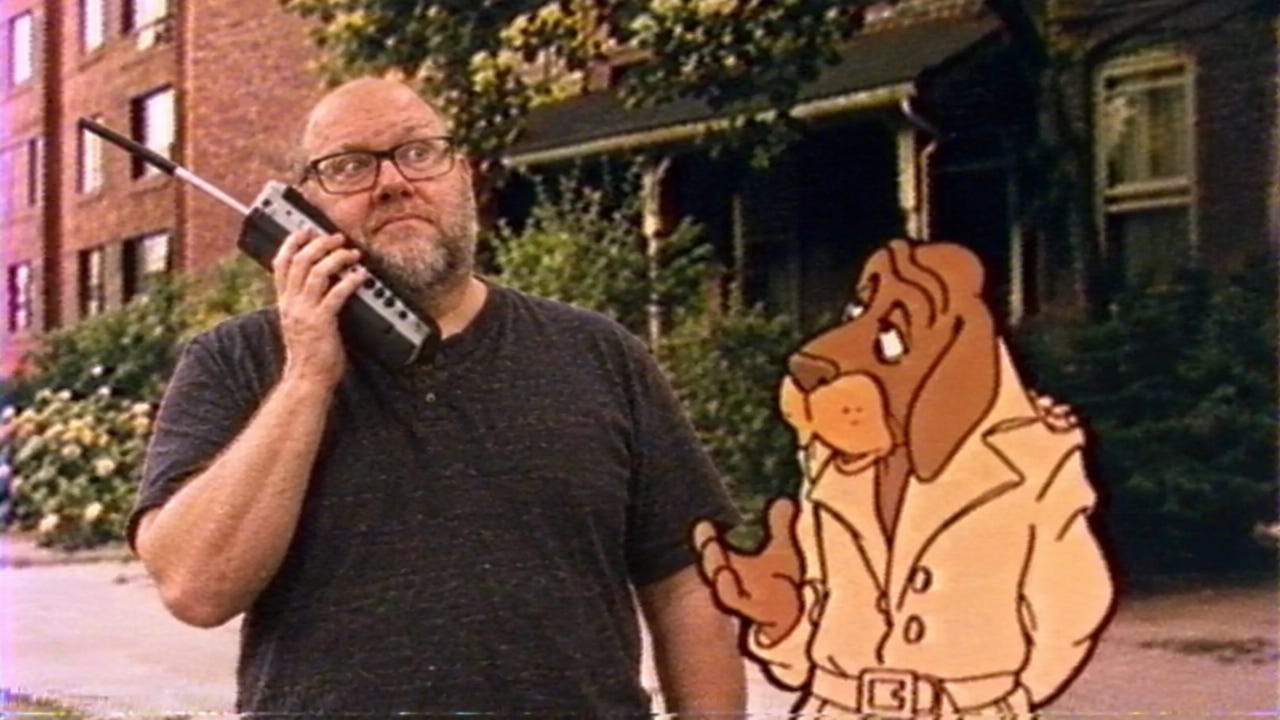
In 2011 a cop in Galveston, Texas pulled over an Infiniti for speeding.
A drug-sniffing dog walked the car and lost its mind.
The driver was McGruff the Crime Dog.
Well, a McGruff.
We’ll get there.
Pour something first. It’s Friday. It’s time for advertising mascot stories.
THE FIRST McGRUFF WAS A SNOOPY KNOCKOFF AND EVERYONE HATED HIM
It’s 1979. Crime is up, the public is spooked and the brand-new National Crime Prevention Council wants a campaign through the Ad Council.
The job goes to Dancer Fitzgerald Sample and lands on the desk of Jack Keil, the agency’s creative director.
Keil did what every creative director does with a public-service brief. He thought about Smokey Bear.
If a bear can make you care about campfires, an animal can make you care about deadbolts.
It’s not that easy.
Legend has it that he tried an elephant who would stamp out crime and a rabbit who was hopping mad about crime.
Then somewhere he wrote the line, take a bite out of crime. The rest is history.
His first sketch was basically Snoopy in a cop hat. His team hated it.
So Keil gave a day to five creative teams. They tried a bulldog that looked like J. Edgar Hoover, a golden retriever and even some kind of deputy dog.
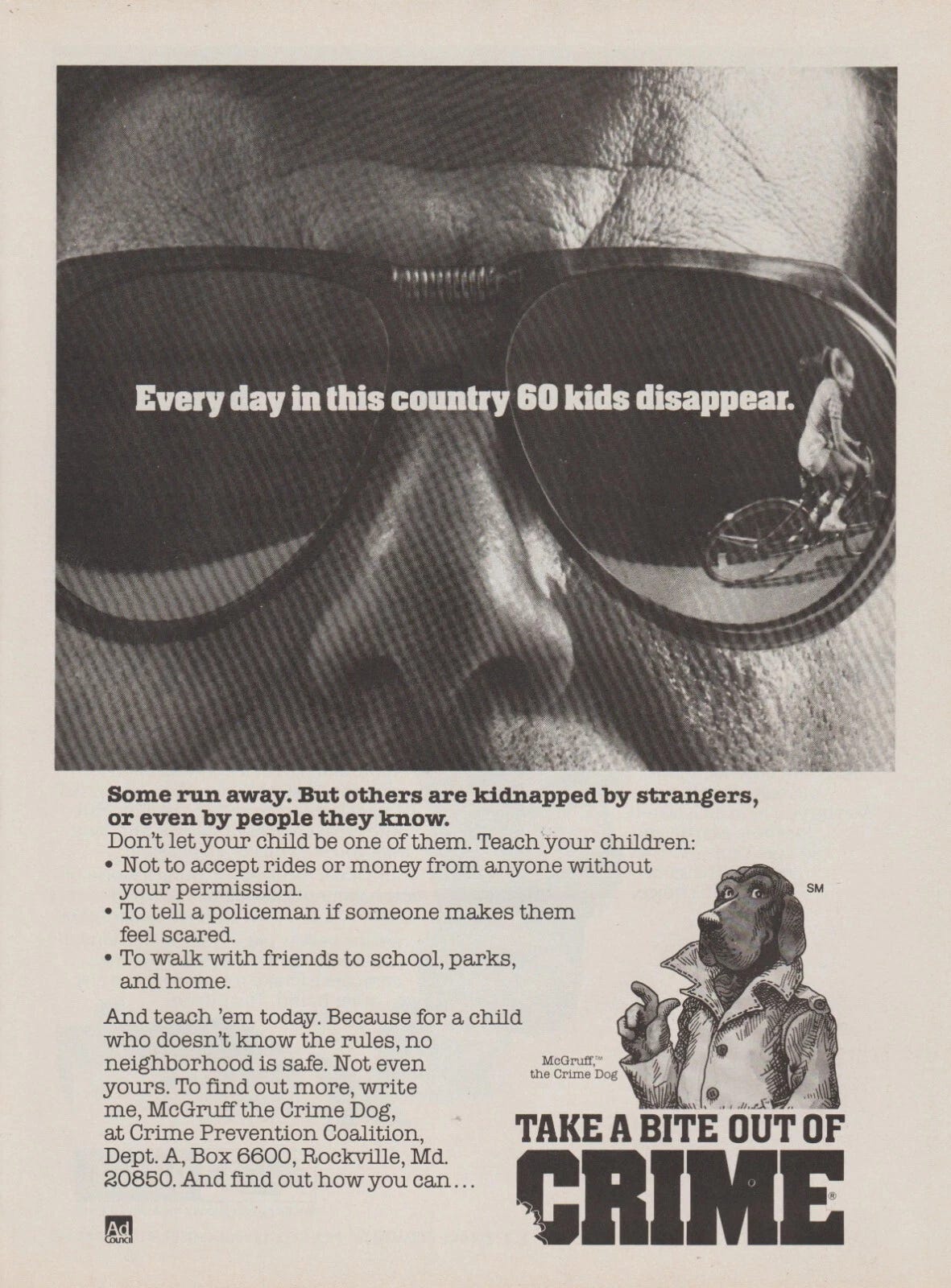
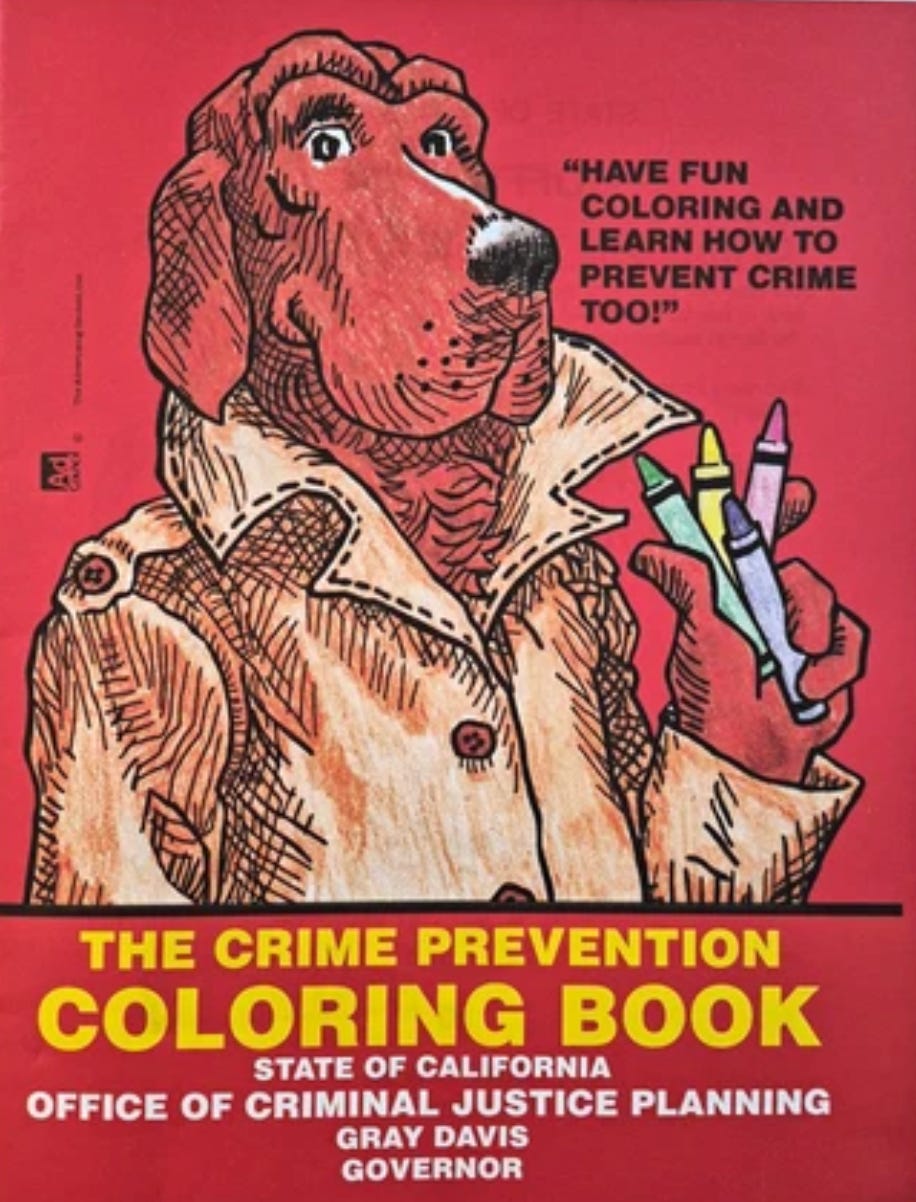
The winner was a tired bloodhound in a trench coat from Sherry Nemmers and Ray Krivascy.
He looked like a guy who’s been working the same case since the Carter administration and stopped expecting it to close.
THE VOICE YOU REMEMBER BELONGED TO THE CREATIVE DIRECTOR
Columbo in a dog suit is such a perfect idea except that Falk’s slow, wandering delivery could never squeeze into a 30-second spot.
So Keil did the voice himself. That’s the greatest power move of creatives, casting yourself.
Every agency has a version of this. I remember an Art Director who did a McDonald’s ad sign-off voice over of “You did iiiitttttttt” and booked the gig himself. This was the same guy who always drew people looking at the billboards in his presentations. Turns out, people like seeing humans look at or point at the ads in the boardroom.
The first spots went out in February 1980 and they hadn’t even given this dog a name. A national contest fixed that.
Sherlock Bones was the crowd favorite and honestly should have won. McGruff came from a New Orleans cop named John Isbell.
Then it went huge.
Over $100 million in donated airtime by mid-1981. Nine out of ten kids knew who he was. He put out an album called Smart Kids with songs about saying no to drugs. He got a postage stamp in 1984.
Now hold onto that album. It’s coming back.
THE DOG GOT BUSTED BY A DOG?
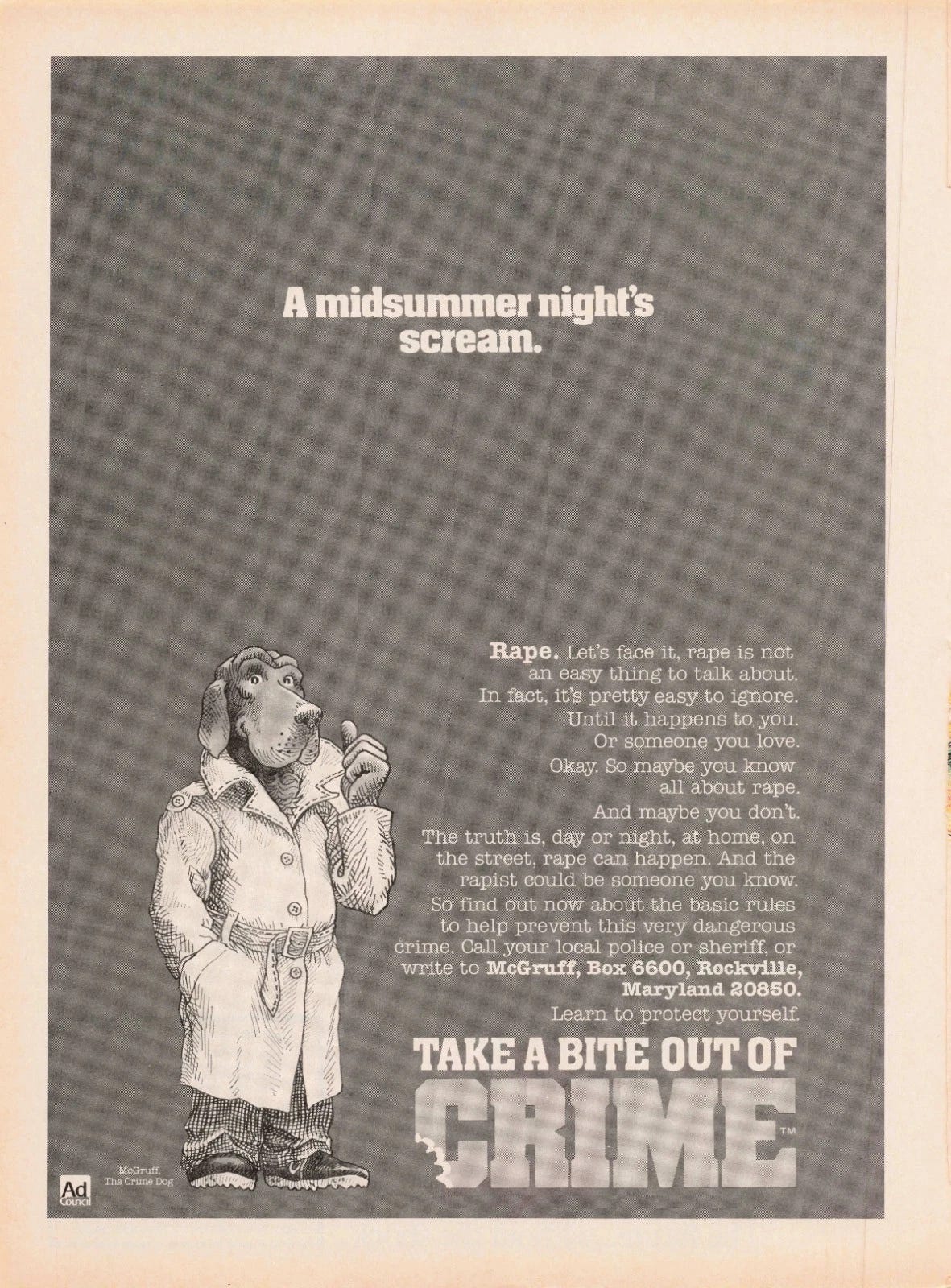
The problem with a mascot that lives in a costume is that eventually thousands of McGruff suits are out there, worn by cops and volunteers at school assemblies and community fairs.
You can’t vet every McGruff.
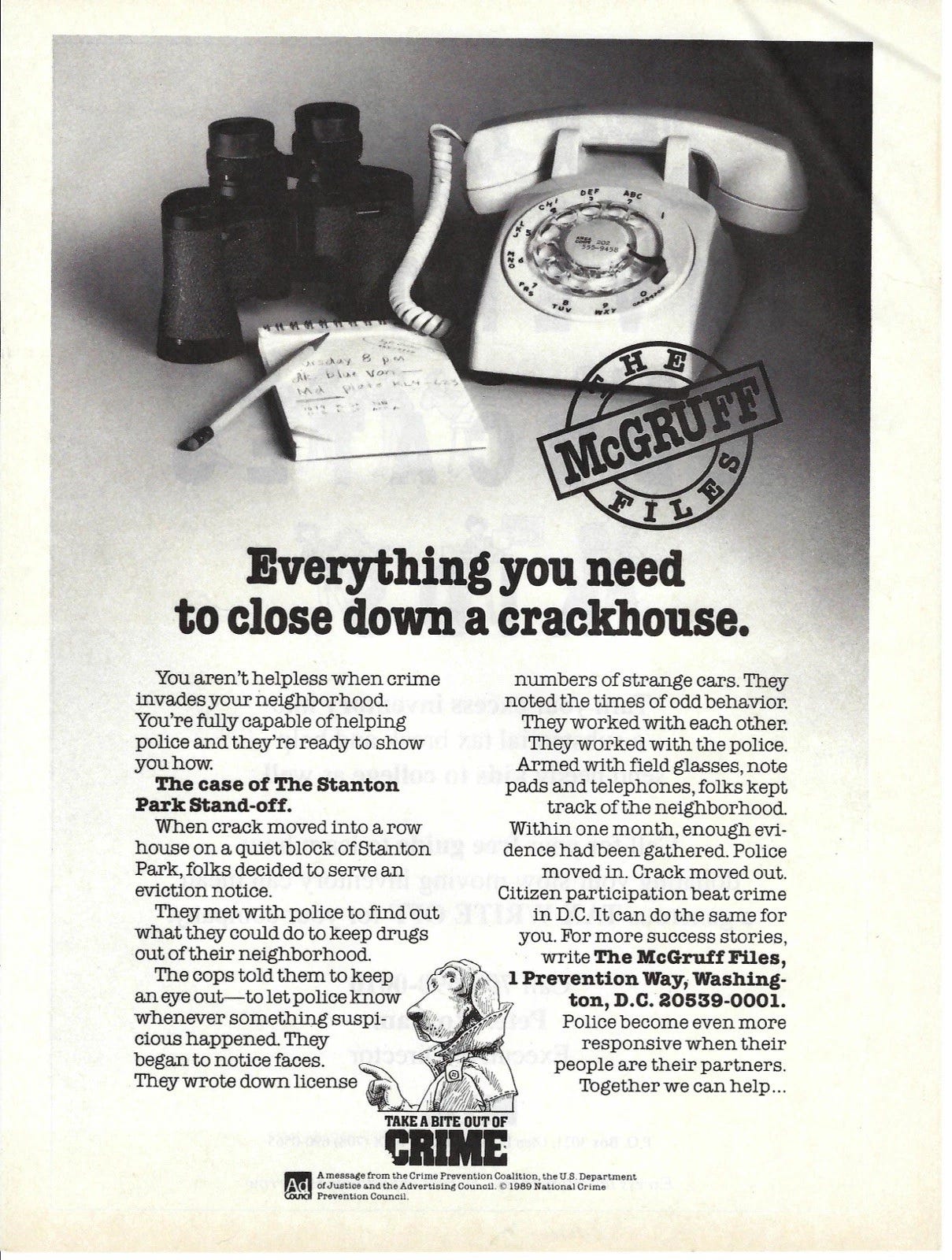
John R. Morales was one of those McGruffs
When Galveston police searched his car after that 2011 traffic stop, they found diagrams for two indoor grow operations on the front seat. Then they searched his house and found more than 1,000 marijuana plants, 27 guns, a casual 9,000 rounds of ammo and even a grenade launcher.
He pled guilty in 2014 and got 16 years. At sentencing he told the federal judge he was nonviolent. The judge said everything she’d read about him made him seem like a scary person.
The dog who sang to children about drugs had a guy inside the suit with a farm and an armoury. And the thing that finally took a bite out of him was another dog.
PENCILS DOWN
McGruff worked because he made authority feel like a friend.
A cop telling you to lock your door is a lecture.
A rumpled bloodhound telling you the same thing is pure 80’s cool.
But a character isn’t a person. It’s a costume anybody can wear, and brands don’t get to pick who’s inside.
Brands are walking into the same problem now from the other direction.
Creator programs with hundreds of faces nobody’s really ever met. Where their life is running in between your paid posts.
Or AI avatars that will say and do whatever the prompt says.
Nobody’s checking for grenade launchers.
COCKTAIL OF THE WEEK: PURPLE JESUS
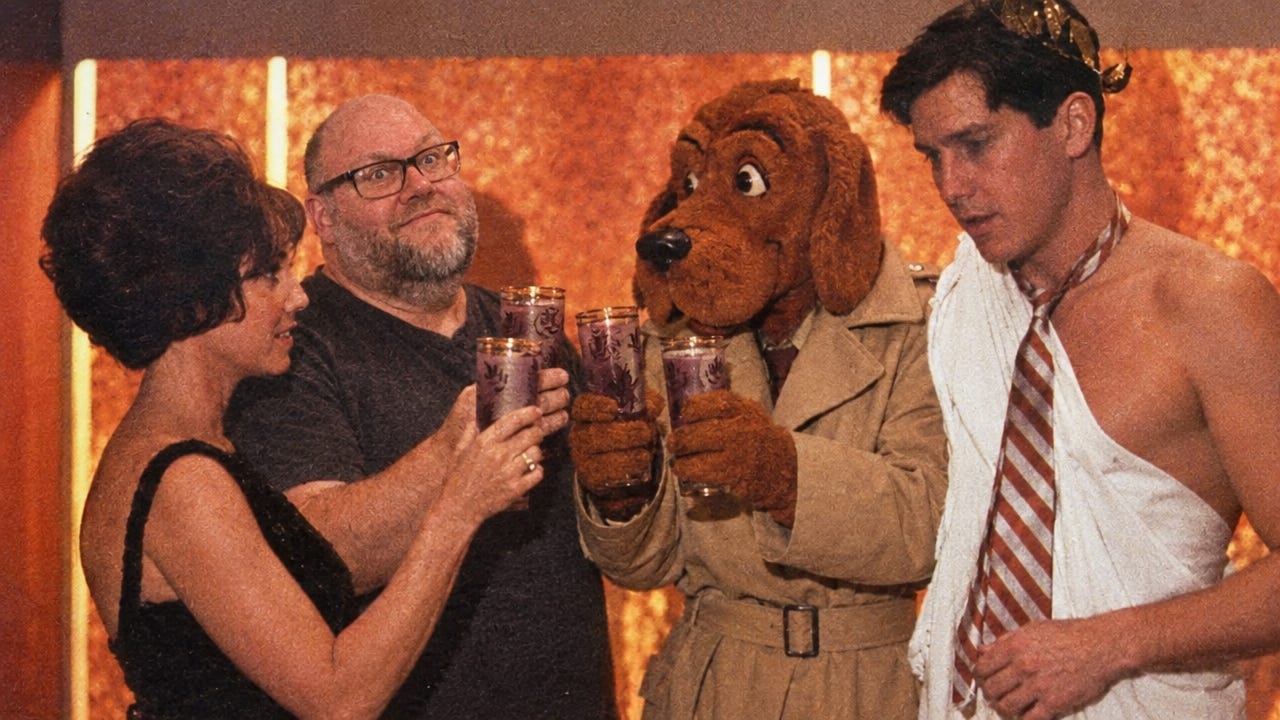
If McGruff had a most-wanted list, this drink would be on it.
It’s older than you think and it’s Canadian, sort of.
According to cocktail historian David Wondrich, the earliest documented mentions of Purple Jesus turn up at McGill in 1946 and Yale in 1948. Back then it was gin and grape juice, because vodka hadn’t really caught on in North America yet.
By the fifties it had spread across campuses, mostly in the South, and somewhere along the way someone swapped the gin for 190-proof Everclear.
Wondrich says that version usually went by Purple Passion, which sounds like a 1970s perfume and hits like a car door.
It was fading until National Lampoon started running nostalgic stories about fifties frat life, which turned into Animal House in 1978.
In the movie, Otter just points the toga party at the “delicious Delta punch.” In Chris Miller’s novelization from the same year, the punch has a name. Every campus in America started throwing toga parties, and the drink came back from the dead.
Speaking of the name. Nobody agrees.
One camp says it’s so strong you yell the Lord’s name on the first sip. The other camp says you will yell it later, when you look up from the toilet and see what color everything is.
I’m not going to tell you which one I believe.
Two years after Animal House brought it back, McGruff showed up on TV to tell kids to stay away from exactly this kind of party.
Purple Jesus
2 oz raspberry vodka
2 oz Concord grape juice
1/2 oz fresh lemon juice
1/4 oz elderflower liqueur (St-Germain)
Top with ginger ale
Build over ice in a tall glass, stir and top with ginger ale. Want the 1946 version? Use gin. For a crowd, scale it up in a punch bowl. Not a cooler. You’re an adult now.
The Drink Cart is the newsletter version of sitting at a really good bar with someone who thinks too much about advertising and won’t shut up about it. Subscribe to get it on Wednesdays and Fridays.