

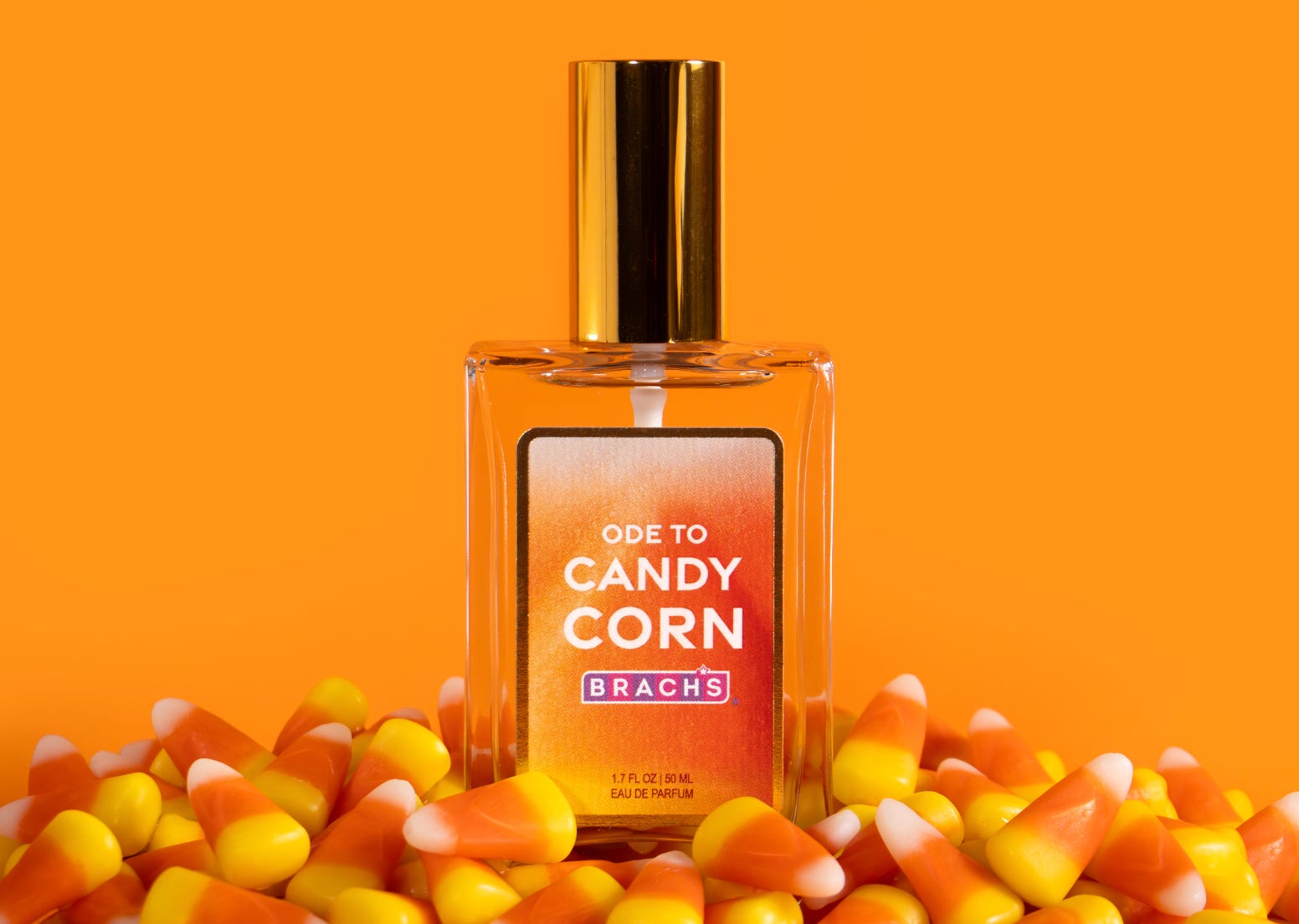
Somewhere a brand manager who pitched “what if people could smell like the candy nobody likes” is getting three thumbs up in a Slack channel.
It’s true. Brach’s made a $22 candy corn perfume this year.
It’s called Ode to Candy Corn and it’s the brand’s first fragrance ever.
It was completely sold out.
To me, candy corn is the pineapple on pizza of the candy world. Divisive. Completely insane.
So of course Tombstone looked at that and said, why not both? This year they’re selling a candy corn pizza kit. Three packets of candy corn for your frozen pizza. On purpose.
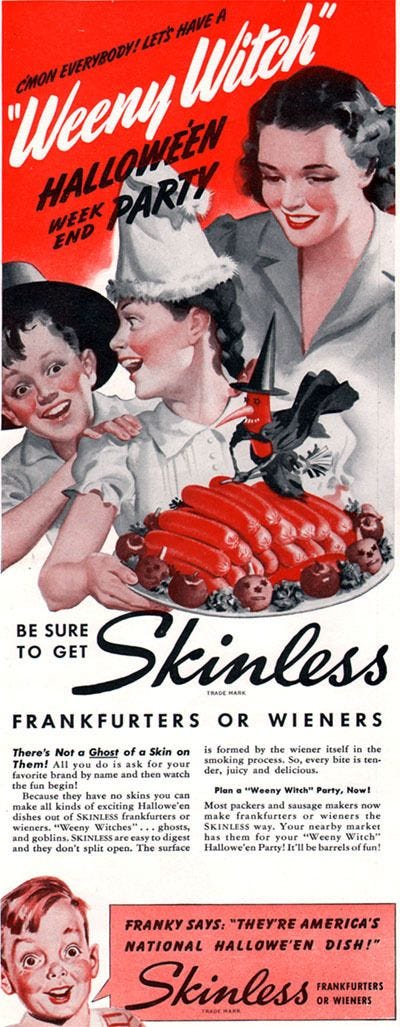
And before you think this is a new low, a terrifying 1940 ad called hot dogs “America’s National Hallowe’en Dish.”
I’ll be honest, I’m less upset about the scary skinless wieners than the fact that we let the apostrophe in Halloween die.
Halloween truly is the scariest time of the year for brands.
HALLOWEEN IS A FULL FISCAL QUARTER NOW
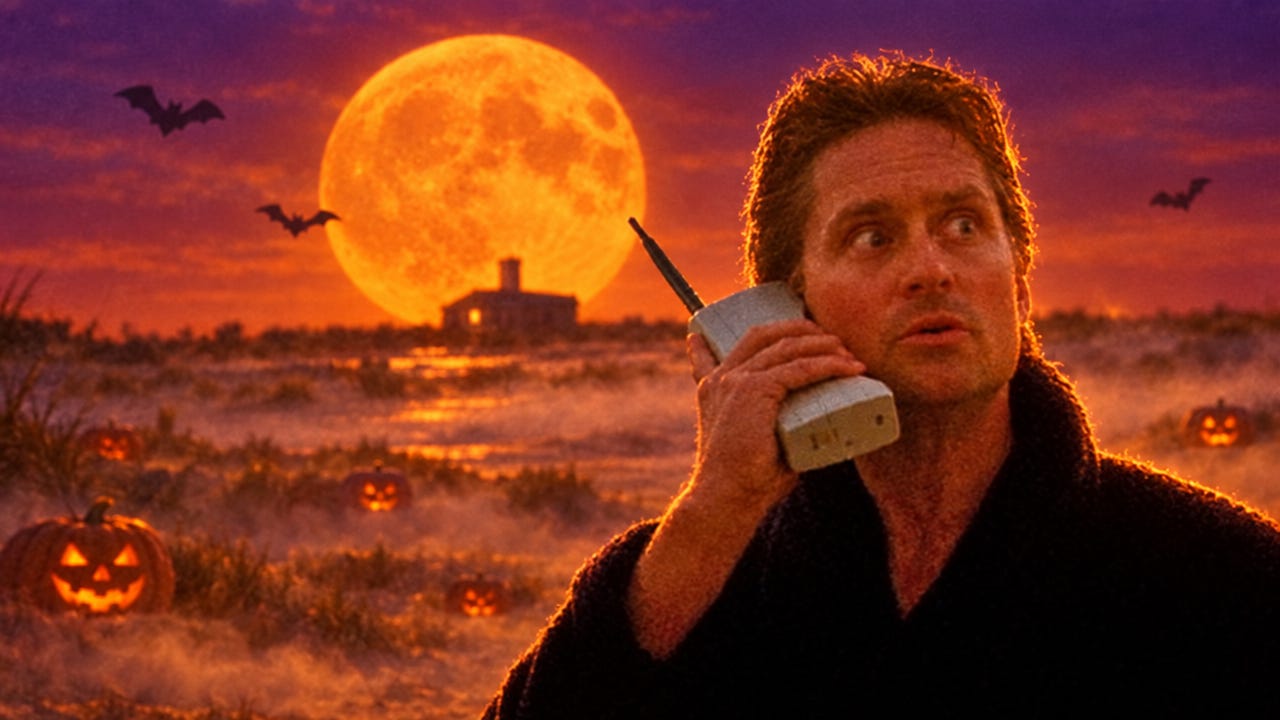
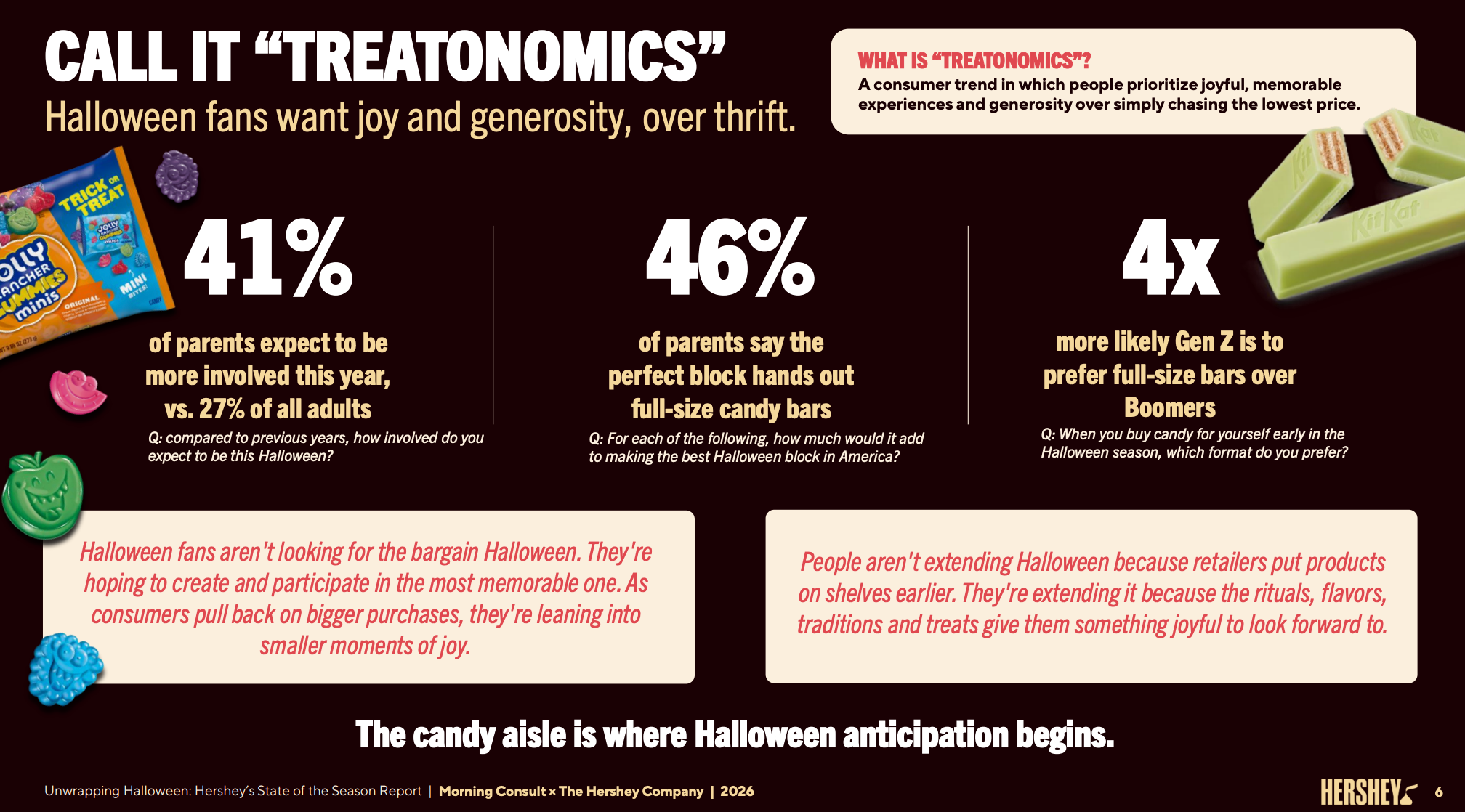
Hershey puts out an annual Halloween report like it’s reporting to the SEC and Gordon Gekko is dropping stock tips from a giant brick phone in the 80s.
They described Halloween as a season that now runs a third of the year and has 67% of parents buying Halloween candy as early as July. And honestly if we’re turning economics into “Treatonomics,” sign us up.
You can practically hear the Ozempic sales teams laughing from here.
Circana calls the early stretch “Summerween,” which is a word I’d like to put in a sealed bag and bury in the park across the street from us. Their chief advisor says the spooky day is now starting to feel like a seasonal lifestyle, not a holiday.
Now I’m actually scared.
So yes. October 31 is still technically Halloween. But the season starts when you’re still on summer vacation and runs straight through Día de Muertos on November 2.
This year it mercifully lands on a Saturday, which means every brand in North America gets a full weekend to drop the most insane things you’ve ever seen.
INSIDE THE HALLOWEEN CANDY INDUSTRIAL COMPLEX
Like Charlie Brown doing a Peanuts-style uprising against the commercialization of Christmas, it’s all starting to feel like we’re being gaslit with Halloween spending that’s out of control.
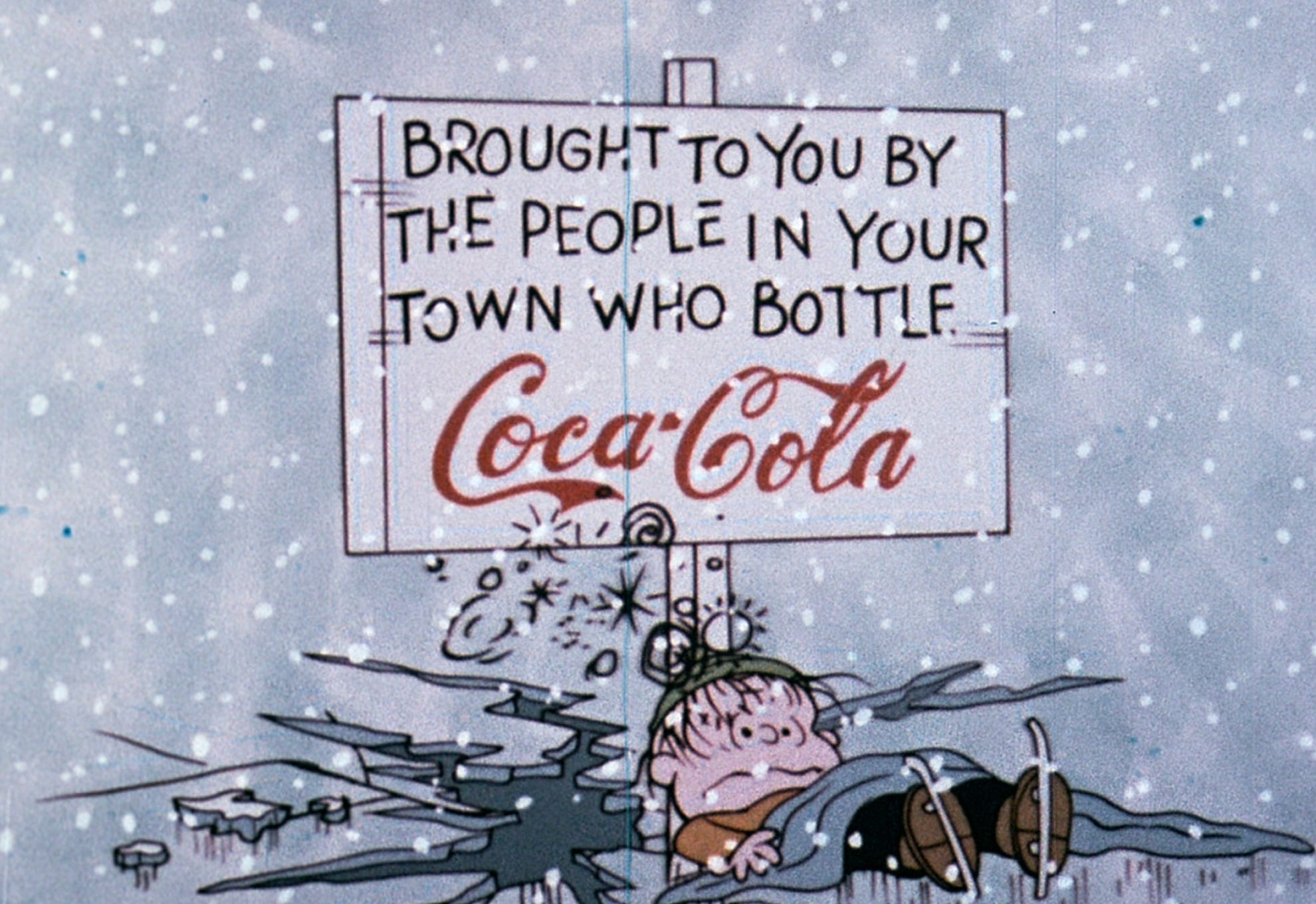
Except that from the jump A Charlie Brown Christmas was actually a branded content play for big sugar. More on that later.
Kids were already trick-or-treating in the ‘30s and ‘40s and getting whatever the neighbors had lying around. Popcorn balls. Apples. Nuts. Coins. The occasional homemade cookie of questionable origin.
In the 1950s the post-war boom meant new money, new suburbs and lots of kids walking door to door with pillowcases on Halloween.
Big candy noticed.
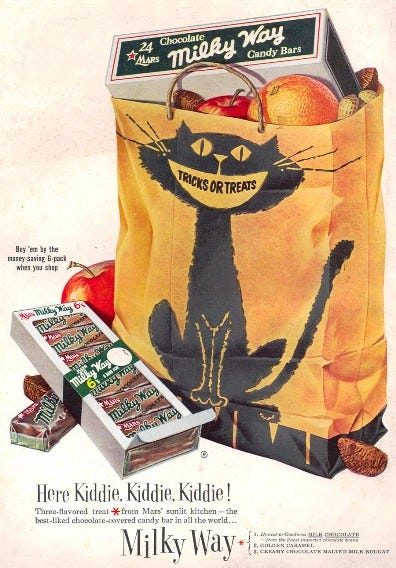
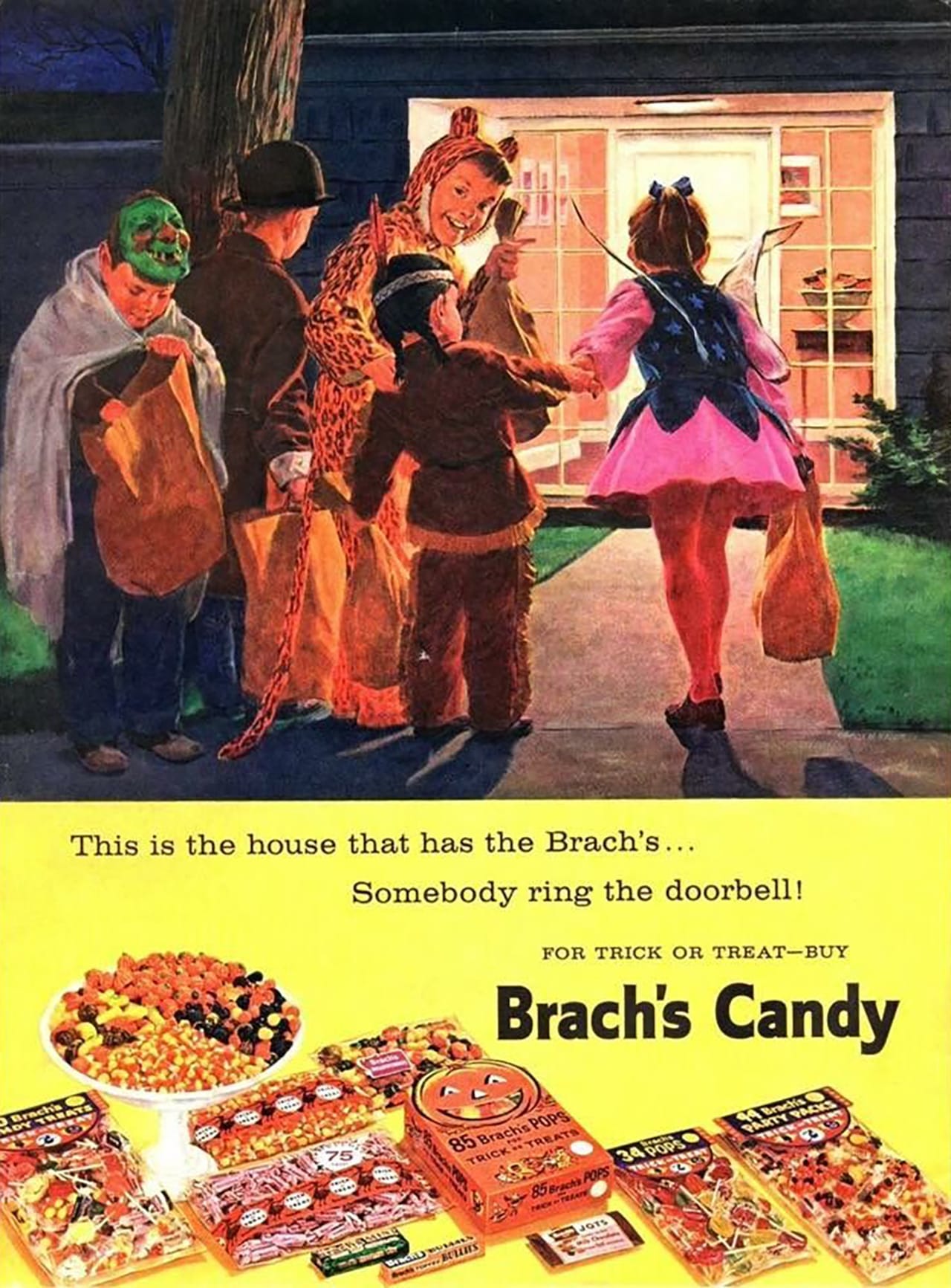
Mars ran national ads pitching candy specifically for trick-or-treating. These are absolutely inappropriate, if not a full To Catch A Predator episode.
Candy historian (the most incredible-sounding LinkedIn job I’ve ever read) Beth Kimmerle summed up the era’s sales pitch as basically: buy the right candy and you won’t get tricked.
Then came the ‘70s poisoned-candy panic. Sociologist Joel Best chased down every reported case for decades and never found a child killed by a stranger’s candy. But there were two deaths. A Detroit five-year-old who got into his uncle’s heroin in 1970 (Unc! You basically ensured an ICE-style review of my candy through the 80s for your sloppy drug use) and a Texas dad who laced his own son’s Pixy Stix with cyanide in 1974 and blamed a neighbor.
Didn’t matter. The factory-sealed fun-size bars won the day. Mars even tried to trademark the fun part.
And what about the candy corn? Oh, it wasn’t even a Halloween candy. When Goelitz started selling it in 1898 it was called Chicken Feed.
The box had a rooster on it. It was sold from March to November because back then corn was something you fed livestock, and farm-shaped candy was a whole category.
Candy corn was added to the Halloween roster in the 1950s, along with everything else.
EVERYTHING IN THE GROCERY STORE IS WEARING A COSTUME
Pour yourself something to drink and walk the grocery store aisles with me, because 2026 went all the way in.
Cheetos teamed up with Blumhouse — the horror studio behind Get Out and Paranormal Activity — on Sweet Phantom Heat Puffs. Branded “The Flavor of Fear.” They start sweet, turn hot, then leave your mouth fizzing and numb. A movie studio co-branding a cheese puff mouthfeel is the most 2026 thing I’ve ever typed.
Shock Top partnered with Spirit Halloween on a Candy Corn Wheat Ale, sold alongside a costume of Shock Top’s own orange-wedge mascot. Candy corn beer. With a mascot costume. Available at the pop-up store that occupies your dead Bed Bath & Beyond for eight weeks a year.
Count Chocula got a fuzzy box. A limited-edition fuzzy cereal box. Walmart.com only. $7.76.
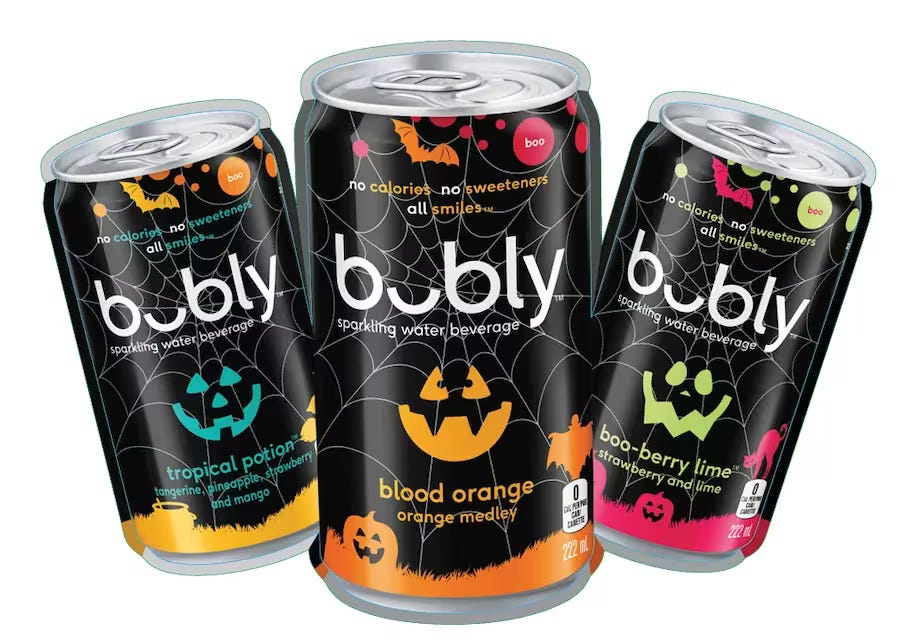
bubly launched a Halloween flavor in Canada called boo-berry lime. I checked the flavor profile. It’s strawberry and lime. There’s no berry in the boo-berry. There’s barely a boo.
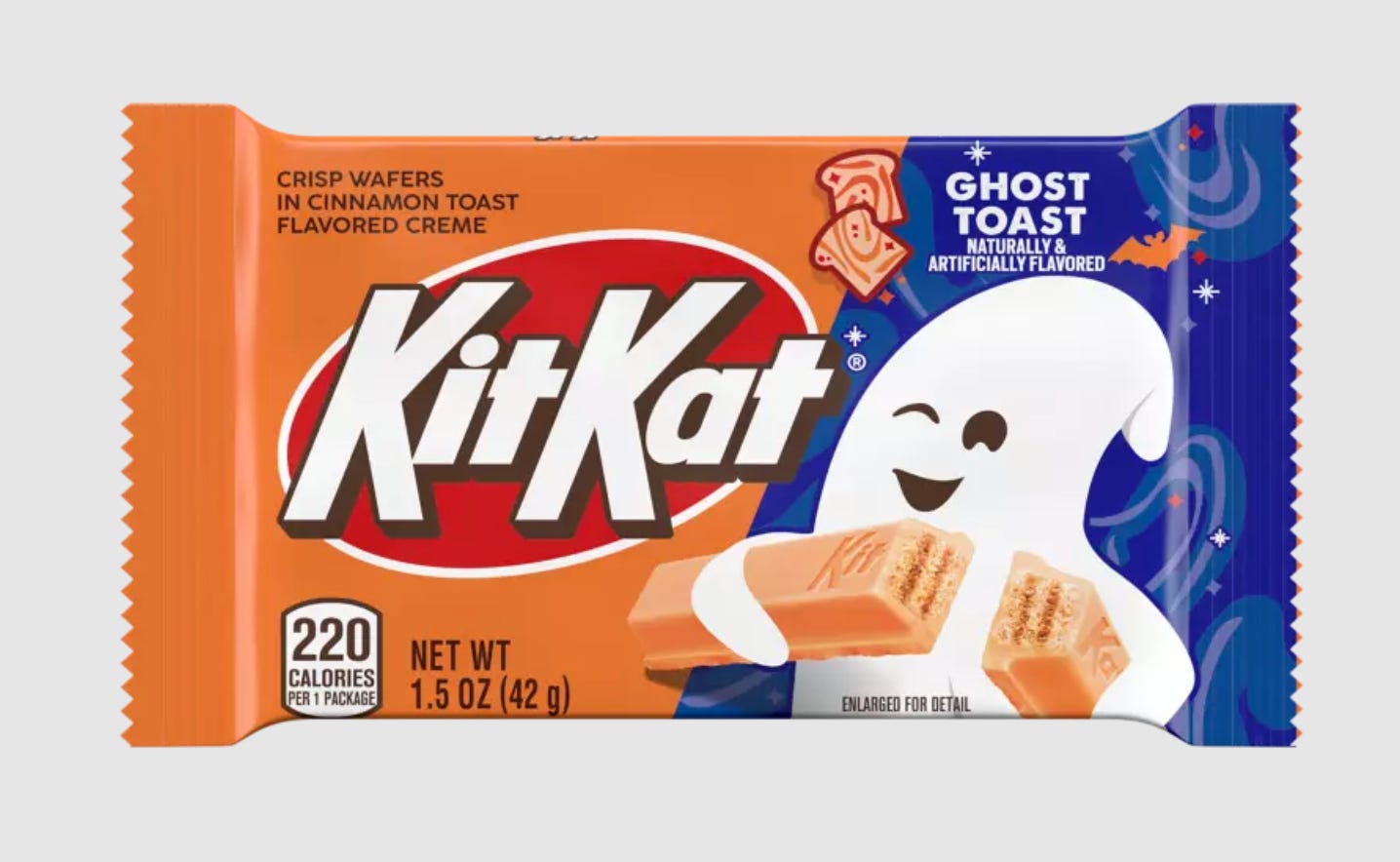
Hershey dropped more than 20 new items, including a Kit Kat Witch and a Kit Kat flavor called Ghost Toast that I’m not going to pretend I understand.
Don’t write this off as more dumb marketing because there’s real math under all those cobwebs.
Cocoa prices have been brutal, and Circana says chocolate’s share of Halloween candy dropped from 55% in 2024 to 51% last year. That’s why Hershey’s big Halloween pitch this year is pretzels and cheese puffs. The costume is covering for the cocoa bill.
And my favorite stat in the whole Circana report: Halloween week is one of the best weeks of the year for pizza chains.
Their transactions jump 6%, often more than Super Bowl week. And nobody’s making an $8 million commercial about that.
HALLOWEEN’S GREATEST HITS
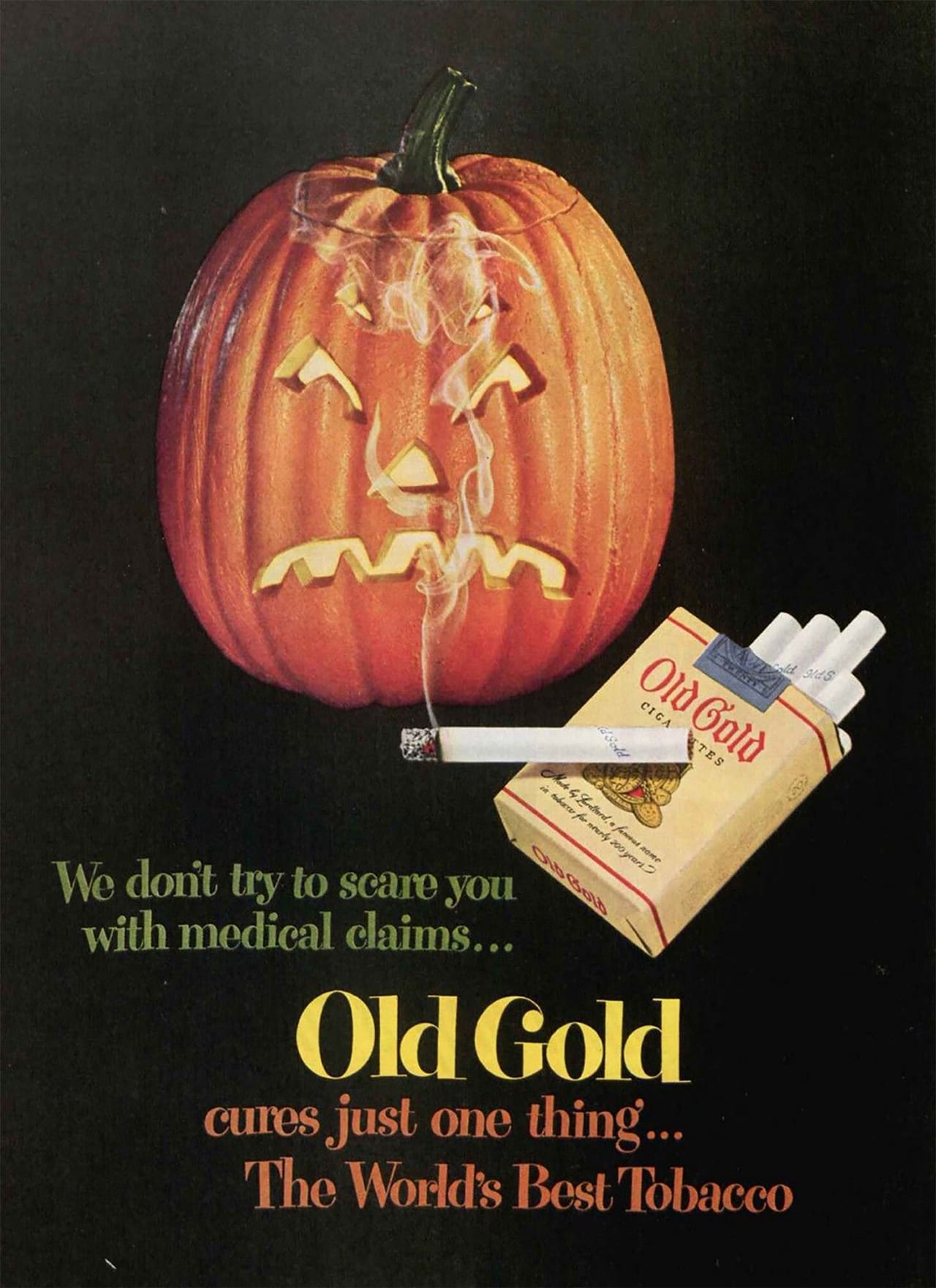
Most Halloween marketing is a seasonal wrapper and a pun. Or at worst, a pumpkin smoking.
McDonald’s Boo Buckets turn 40 this year. The originals launched in 1986. The three orange jack-o-lantern pails were named McBoo, McPunk’n and McGoblin. No notes on these names or the apostrophe.
They even killed them in 2016 and had to bring them back in 2022, and now every chain from Tim Hortons to Burger King has a trick-or-treat bucket. Last year McDonald’s addressed the copycats directly, calling imitation “the most BOO-tiful form of flattery.”
Then there’s General Mills, 1971. Count Chocula and Franken Berry hit shelves and become instant hits.
Until the kids start pooping pink. Wait, what?
The dye in Franken Berry didn’t break down, and parents rushed their kids to doctors thinking it was internal bleeding. It earned the perfect name “Franken Berry Stool.”
The brand survived, which tells you everything about the power of a good mascot. (And for your pub trivia in the future, the guy who sketched the first Count Chocula also drew the original Trix Rabbit.)
And the quietest great Halloween ad of all time is one most people have never seen. It’s the Great Pumpkin, Charlie Brown premiered October 27, 1966, paid for by Coca-Cola and Dolly Madison cakes.
The original opening had the Peanuts gang running past a scarecrow holding a Coke sign and a ghost standing next to a Dolly Madison sign. Integrated branding, 60 years before anyone called it that. It was edited out of later broadcasts.
COCKTAIL OF THE WEEK: SATAN’S WHISKERS
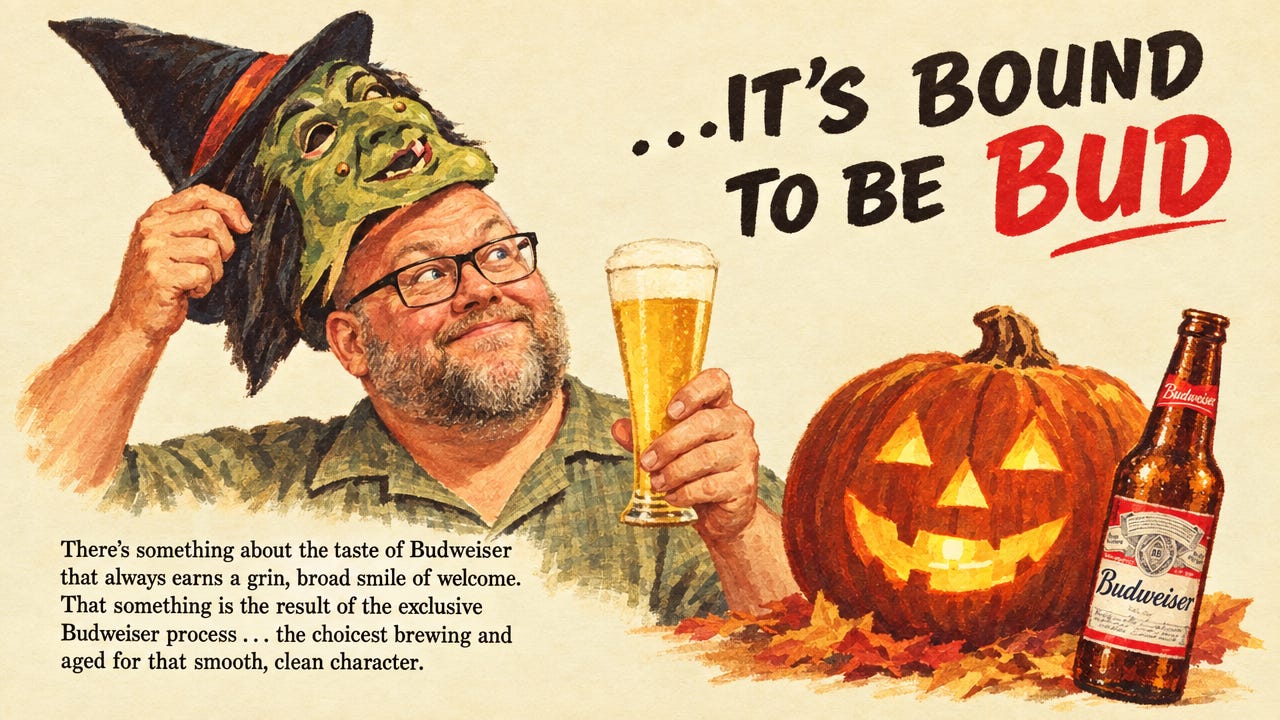
Every brand in this issue took something it already sold, added a pair of horns and called it new. Bartenders have been doing that for a century. And it’s ads like this one from Budweiser that inspired me to create this week’s graphic. It might be my new favourite.
Satan’s Whiskers is a Bronx cocktail in a costume. Same gin, same vermouths, same orange juice, plus a splash of orange liqueur and a much better name. It first showed up in print in Harry Craddock’s Savoy Cocktail Book in 1930.
Dale DeGroff has traced it back to a 1930s recipe from Hollywood’s Embassy Club, so it may be a Prohibition-era West Coast drink that ended up famous in London.
Craddock printed two versions. Straight uses Grand Marnier. Curled swaps in orange curaçao. Nobody’s ever explained the names. One school of cocktail nerd says you drink the Curled while it’s light out and the Straight after dark, which sounds made up but feels right on a Saturday Halloween.
Here’s my favorite part. The same book also lists a drink called the Tango Cocktail. It has the exact same formula. Different name, same drink. Harry Craddock was doing limited-edition packaging in 1930.
It’s four kinds of orange in one glass — juice, liqueur, bitters and peel — with the devil’s name on the label. Very on brand for October.
Satan’s Whiskers
3/4 oz gin
3/4 oz sweet vermouth
3/4 oz dry vermouth
3/4 oz fresh orange juice
1/2 oz Grand Marnier
1 dash orange bitters
Orange peel
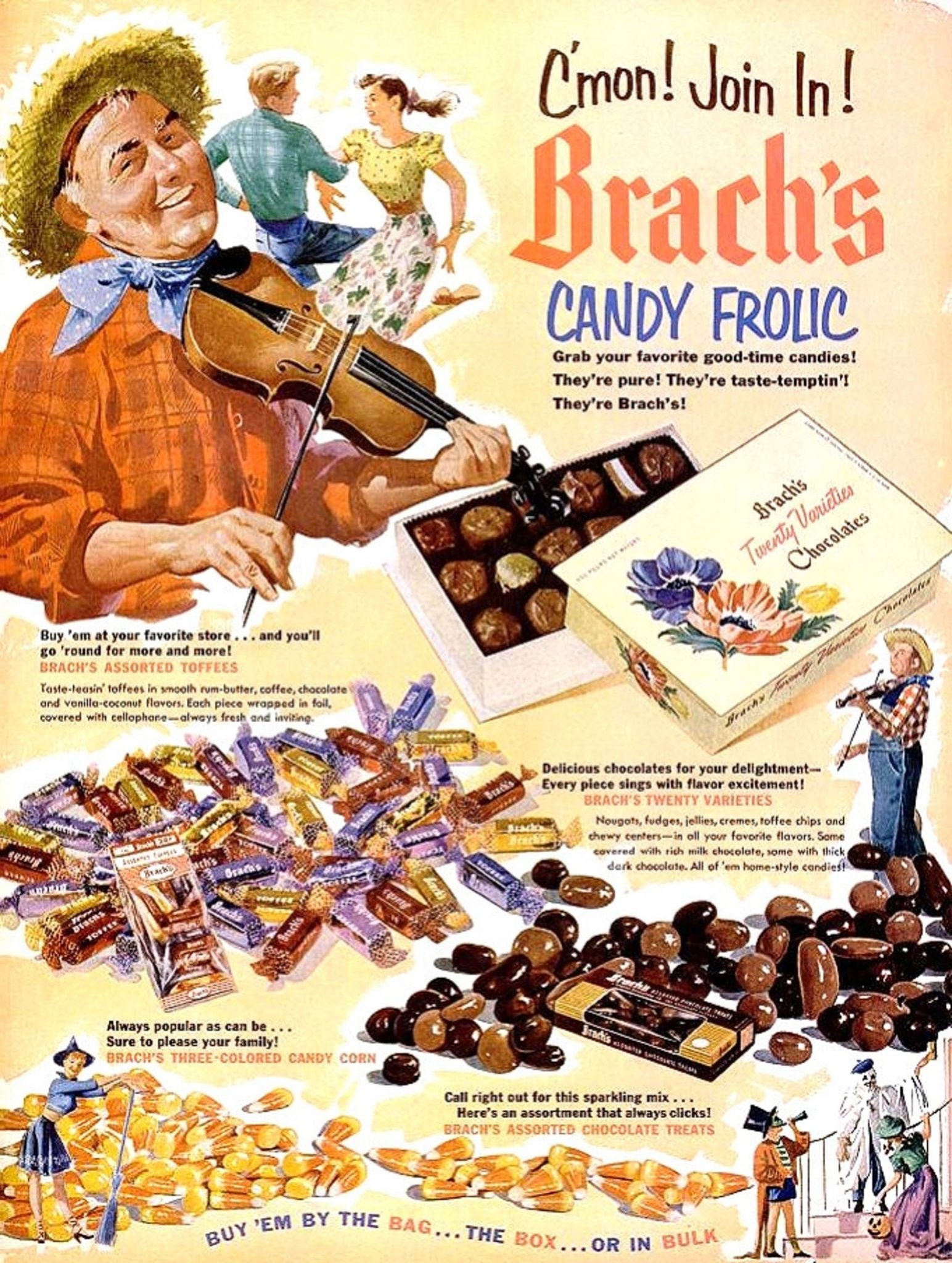
Shake hard with ice and fine strain into a chilled coupe. Express the orange peel over the top and drop it in. Happy Hallowe’en, break out the fiddle and enjoy your candy frolic kids. Apostrophe included, no extra charge.
The Drink Cart is the newsletter version of sitting at a really good bar with someone who thinks too much about advertising and won’t shut up about it. Subscribe to get it on Wednesdays and Fridays.