

Somewhere along the way, marketing started being overly cute and making things people didn’t ask for and everything got harder than it needed to be.
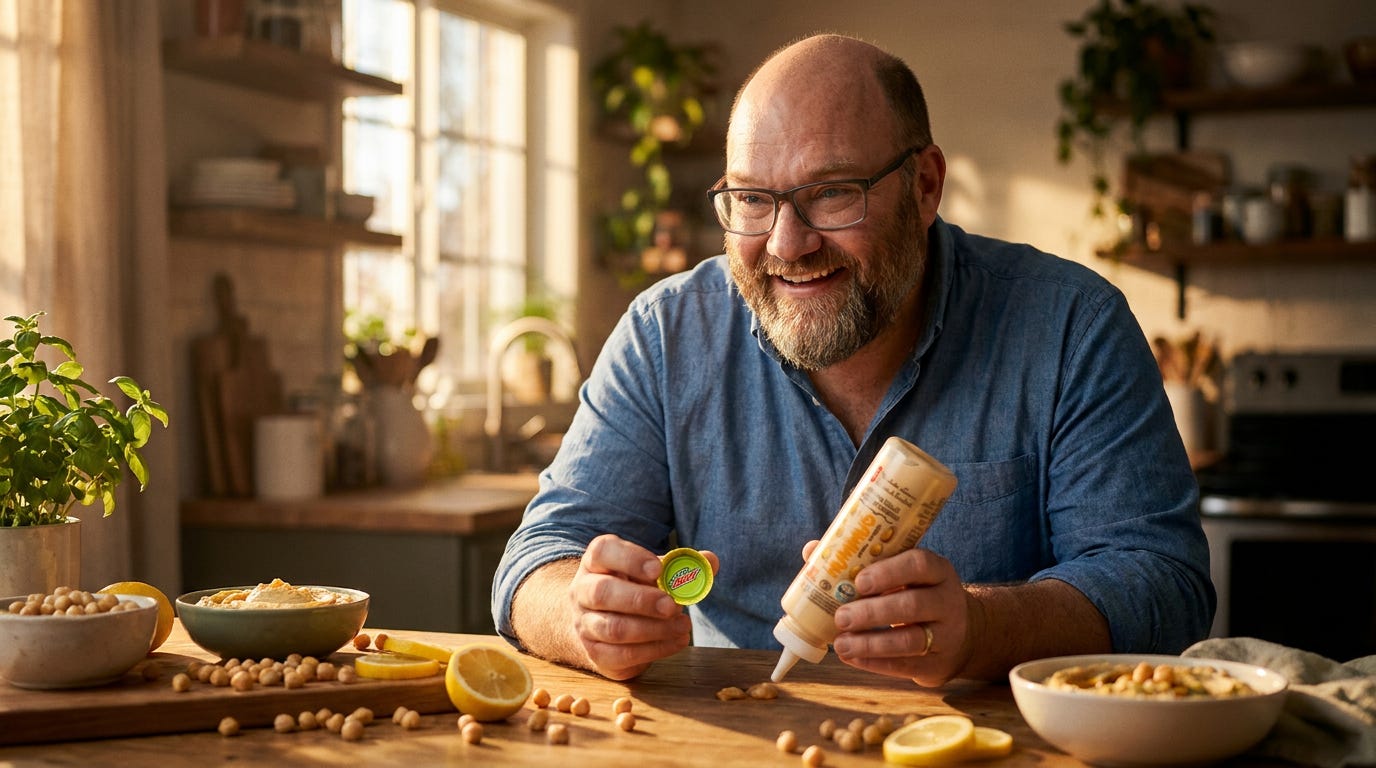
Exhibit A: President’s Choice now sells hummus in a squeeze bottle. With a nozzle. For five dollars, as if a food that has been getting scooped without incident since the twelfth century, was sitting there for nine hundred years waiting for a squeeze bottle.
Exhibit B: a Mountain Dew cap from 2004 simply states PLEASE PLAY AGAIN. The contest started and ended inside the lid. No app, no account, no handing your birthday to a soda company to find out you lost.
Exhibit C: KD Mac & Cheesecake. Kraft cheese powder folded into cheesecake at select bakeries? Kraft Heinz’s head of brand explains the thinking: “why should the unmistakable KD flavour be limited to dinner time?” One possible answer, unexplored: because it’s dinner?
This issue is about that instinct and the language brands use to make anything they do sound like progress.
—
Here’s a theory. Marketing has gotten so bad at solving real problems that it’s started inventing fake ones instead.
It makes sense if you think about it. A real problem is brutal. The sandwich costs too much. The stores keep closing.
Fixing these things takes years, money and a better product. A fake problem like “we lack emotional resonance” or “we need a new platform” takes a press release and an afternoon. The KPI is fixing simply announcing that you are fixing it.
So brands invent the fake one and solve it in public. Four things have been floating around my head lately: emotional resonance, brand platforms, unplanned moments, and patriotic consumer branding. Not one is a thing a single customer has ever once asked for.
Subway thinks you should feel more about a sandwich
Subway is blowing up its US marketing department, and the stated reason is incredible. An internal brief says the brand “falls short on emotional resonance and brand distinctiveness.” That Subway is “more known than felt.”
About a sandwich.
Here’s what’s in the same reporting. Subway has closed US stores for 10 straight years, down from more than 27,000 in 2015 to fewer than 19,000 today. 2025 US sales fell 5.7%. It shuttered 729 restaurants last year.
That is not a feelings problem. That is a mid footlong that costs fourteen dollars problem.
“Emotional resonance” is the phrase you reach for so you never have to write the real sentence: the product got worse, more expensive and people noticed. It’s a diagnosis that blames the advertising and lets the sandwich walk free.
Of course, at the same time, the brand is also bringing “the comfort of Subway to the fields, giving fans a way to recharge without missing a beat!” That comfort? A Sleeping Bag-uette for Gen Z festival goers can enter to win.
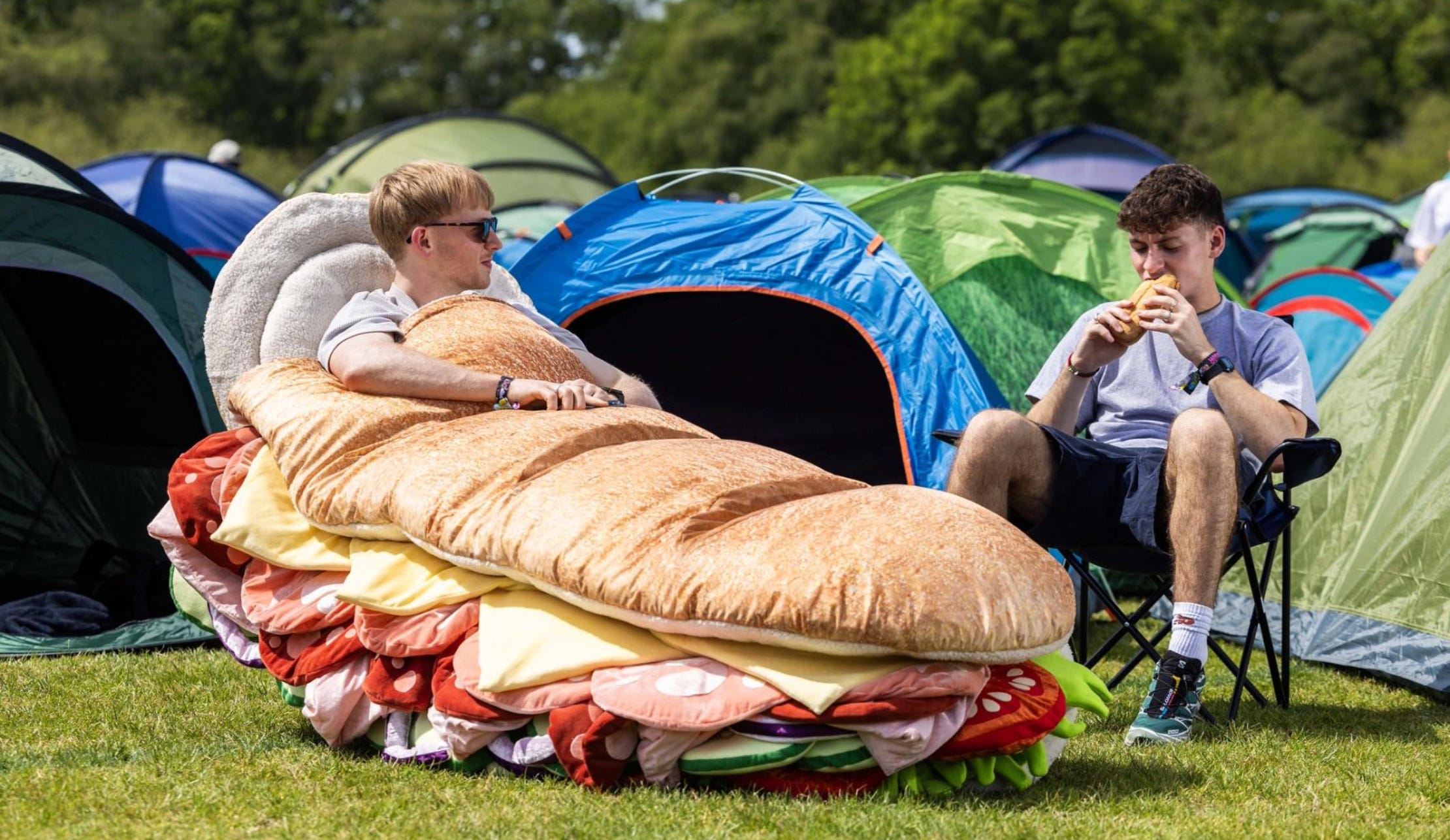
You cannot campaign your way to being felt. You can’t make people want to sleep inside your sandwich if they don’t want to buy it. You make the product actually better and the feeling catches up.
Everyone got the memo that said “platform.”
When did marketing become obsessed with the word “platform”? It’s not a new word, it's decades old. Marketers just promoted it to SVP, the way they promote every buzz word, past the point of meaning.
Platform used to name the idea underneath the entire brand. Now it’s just the deck word salad used to sell in a :15 second spot for Instagram. “Ohhhh, it’s a platform. You wouldn’t get it.”
Muskoka Brewery just launched a new brand “Muskoka Is Calling” platform for its 30th anniversary. The beer is decent, the lake is real, the chairs are iconic, the dock is a good place to be.
But here’s the marketing dept on the work: it’s about “unplanned moments,” and “we’ve built it right into the beer, starting with the crack of the can.”
You did not build that moment into the beer. The crack of a can is the most planned sound beer makes. It happens every time, on purpose with or with out your platform. That is what the tab or cap is for.
And it’s not just beer.
Destination Vancouver, a whole city’s tourism board announced its own new “creative platform.” “Recouver in Vancouver,” celebrates “uniquely restorative experiences” in four films for its new platform.
A brewery and a city reached for the identical word in the same two weeks. The work is perfectly good. But honest take: neither of these will outlive a normal campaign. When these run out of juice, a new platform will be needed. It’s a self fulfilling marketing ecosystem where the glass is always half empty.
That’s the whole problem with the word. It used to mean a thing you stood on and built up from for years. Now it’s the default noun for any campaign with a press release attached. Three film cutdowns and a media buy is a campaign. Calling it a platform just makes the announcement sound like something it’s not.
The part nobody wants to talk about is how easily it goes away. A new marketer walks in, renames it and nothing is lost. That’s because nothing was actually built, only a psuedo-branded idea in a deck. If it can’t survive an afternoon of social media critism and a personnel change, it was never a platform anyway.
Patriotism, now available in a six-pack form.
Jeep just got named America’s Most Patriotic Brand. It’s the 25th year running, and no other brand has ever held the top spot since the survey began.
A national-pride ranking that hasn’t moved in a quarter century isn’t measuring pride. It’s measuring who got there first and kept the budget on.
And look who else made it. The top 10: Jeep, Coca-Cola, Ford, Levi Strauss, Disney, Amazon, Walmart, Hershey’s, Ralph Lauren and WeatherTech.
WeatherTech? The rubber floor mat people. America!!! Patriotic because they manufacture in Illinois and buy Super Bowl airtime to say so every year? Which tells you what the word is doing. It doesn’t describe the brand. It describes a budget.
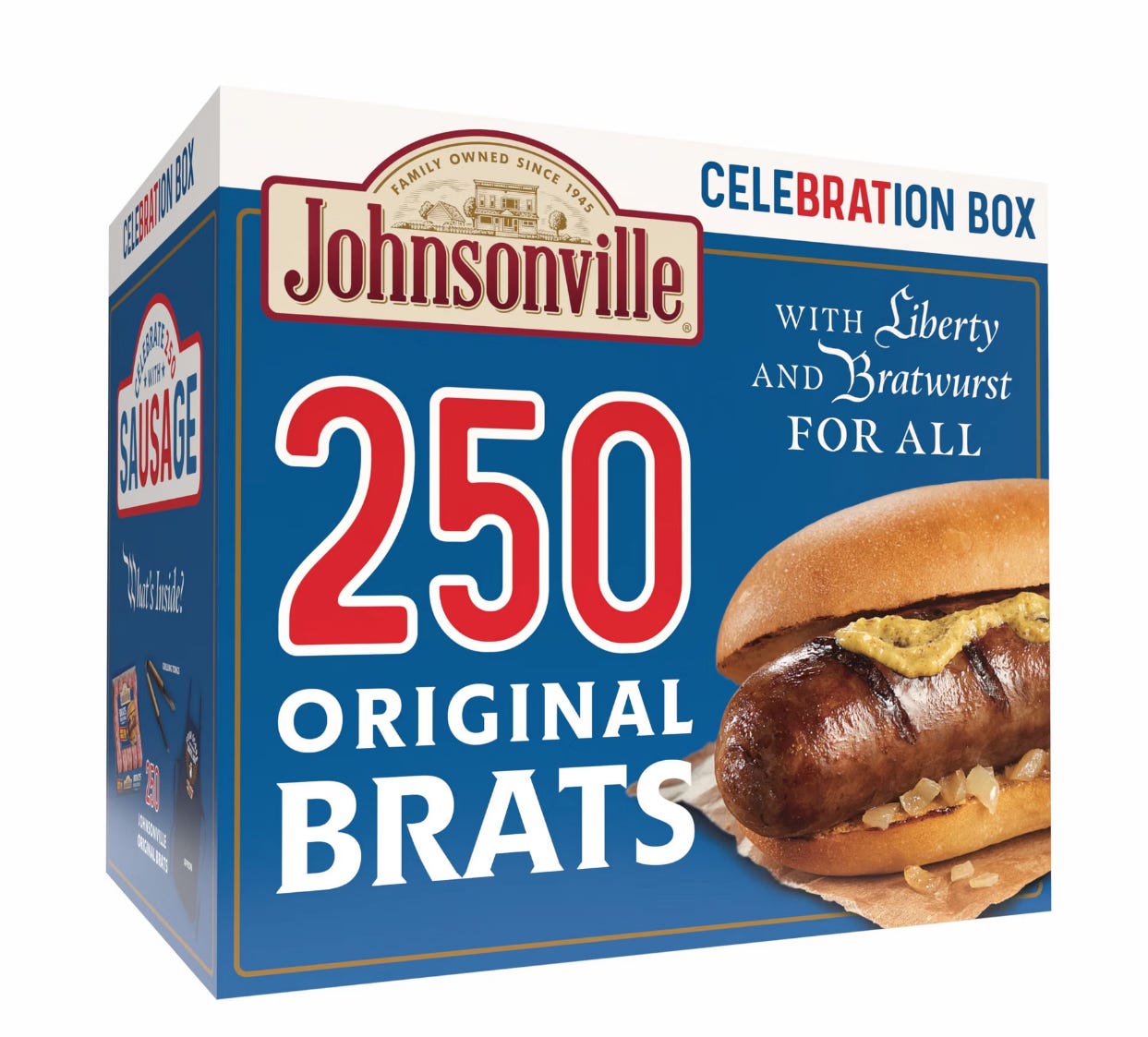
And right now everyone’s grabbing for it at once for America’s 250th. Just this month: Mountain Dew rebranded its flagship soda “American Dew.” Velveeta is selling noodles shaped like the fifty states. Johnsonville is offering “With Liberty and Bratwurst for all” in 250 pack sizes. Greyhound launched an “America 250 Fleet”; Amtrak countered with a new “Freedom250” train
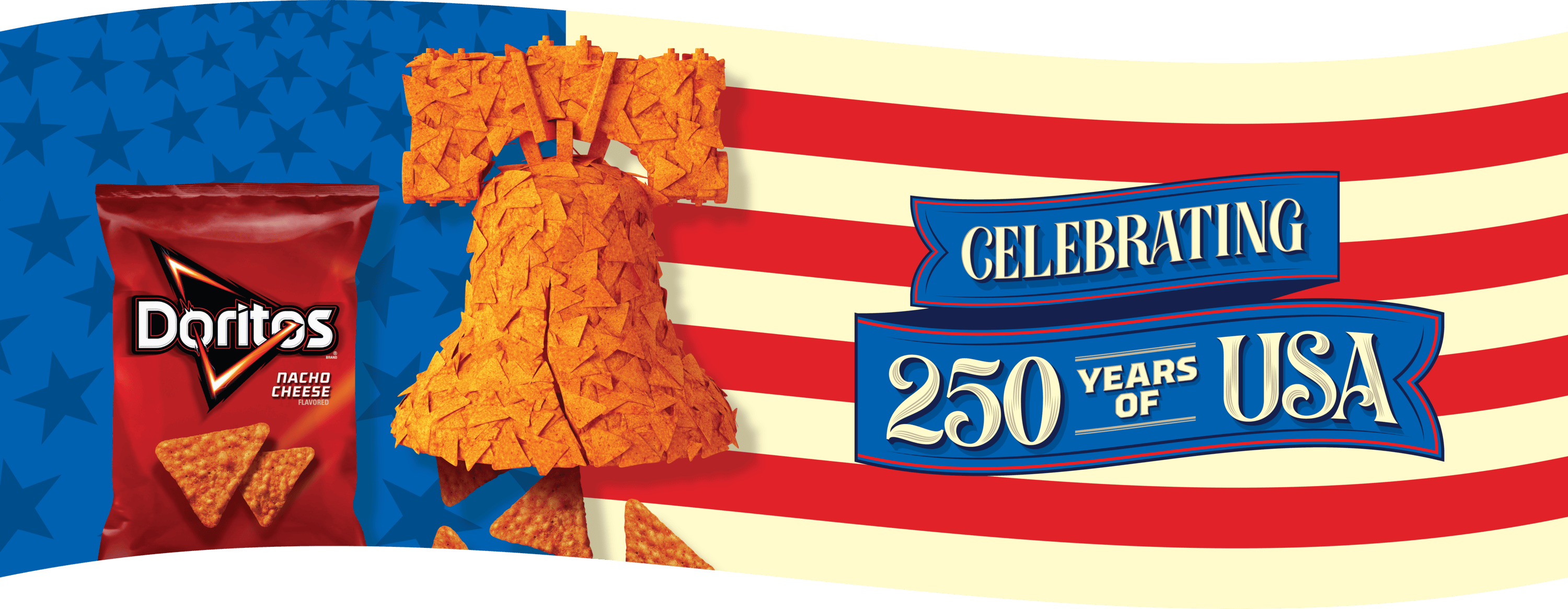
And my personal favourite. Doritos is offering up $250,000 for you to sculpt your version of an iconic American landmark out of Doritos.
It’s patriotism as a seasonal flavour, racked next to Pumpkin Spice. The Stellantis CMO on the new Captain America Jeep Wrangler, “Instead of product inspiring marketing,” he said, “marketing inspired the product.”
He meant it as a brag.
Patriotism is hard to argue against. I even love that 50 years ago, brands were doing the same thing, well maybe classier. 7Up had an incredible 200th can collection that you can still find people seeking out on eBay.
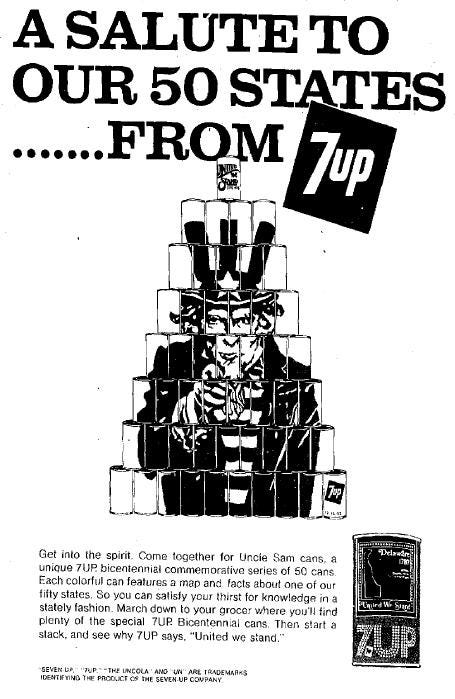
Patriotism is the perfect fake-problem solution because it’s the cheapest word on the shelf. You can’t review a flag.
It’s been the fuel of Canadian brands for the last 18 months of Elbows up. Free to borrow. Impossible to argue with.
Michelin built a platform. It’s still standing.
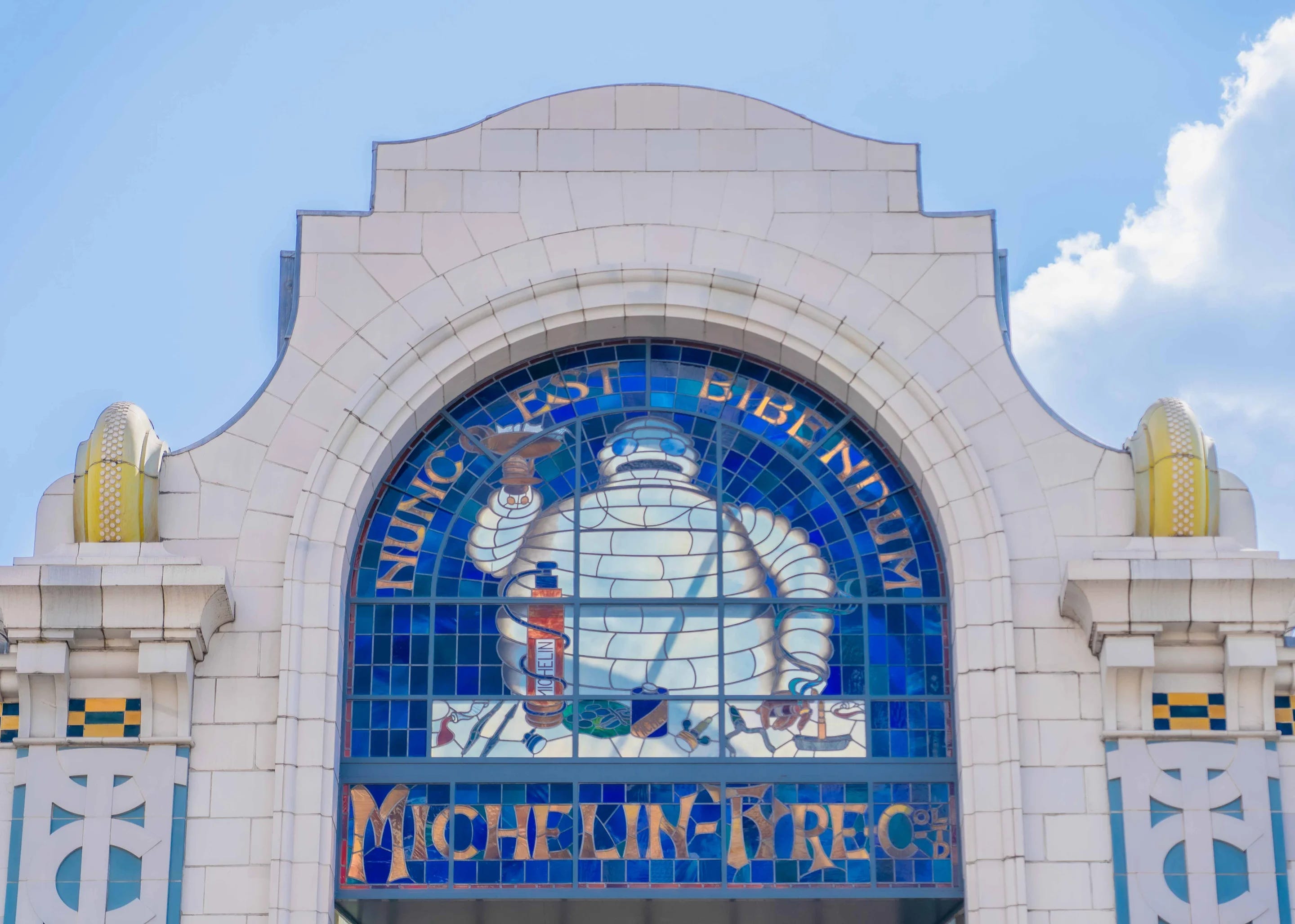
Here’s what sticks with me. In 1911, Michelin opened its UK headquarters on Fulham Road in London. They didn’t announce a platform. They built one out of glazed terracotta.
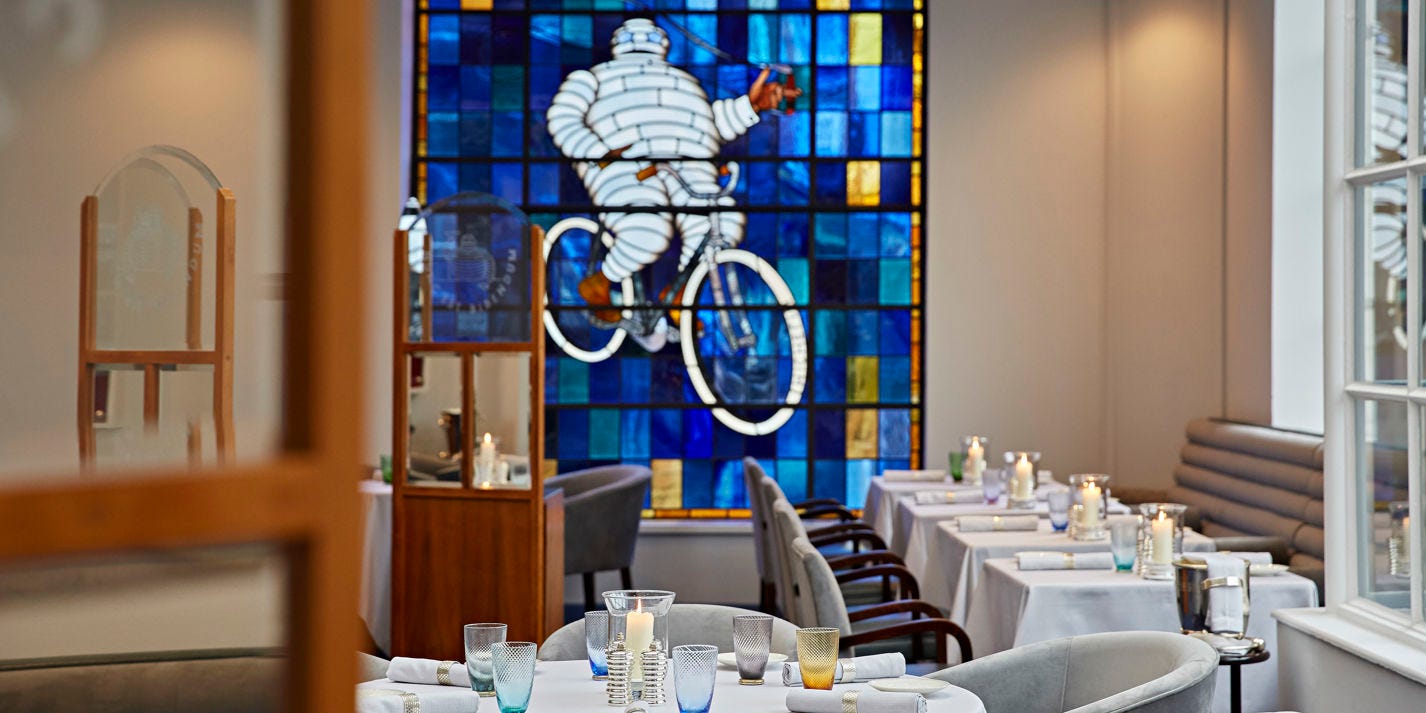
Three enormous stained-glass windows of Bibendum, the Michelin Man. A reception floor mosaic of him raising a glass of nuts and bolts, captioned “Nunc Est Bibendum. It’s Latin for “now is the time to drink,” the line that gave the mascot his name. Two cupolas out front shaped like stacked tyres. Designed by François Espinasse — not a famous architect, a Michelin engineer.
They put their mascot in cathedral windows. They laid him into the floor so you’d walk over him on the way in.
And here’s what that buys you. Michelin sold the building in 1985 and left decades ago — and it is still called Bibendum. A restaurant named after their mascot, in their building, that they no longer own.
The company left and the brand stayed in the walls. A building is the one ad you can’t quietly take down.
That’s the whole contrast. The vocabulary got bigger exactly as the commitment got smaller. “Platform,” and “emotional resonance” are expensive-sounding and completely free.
A building is humble-sounding and ruinously expensive. Brands say the big words now precisely because saying is free and survives no longer than the CMO who said it. Nobody renames a building on their first day. That’s the point of making a building that can’t be thrown out.
And every one of these brands already had the real thing. Michelin wasn’t braver than the marketers working today.
They just hadn’t been handed a vocabulary that lets you skip making something permanent.
Cocktail of the week: the El Presidente
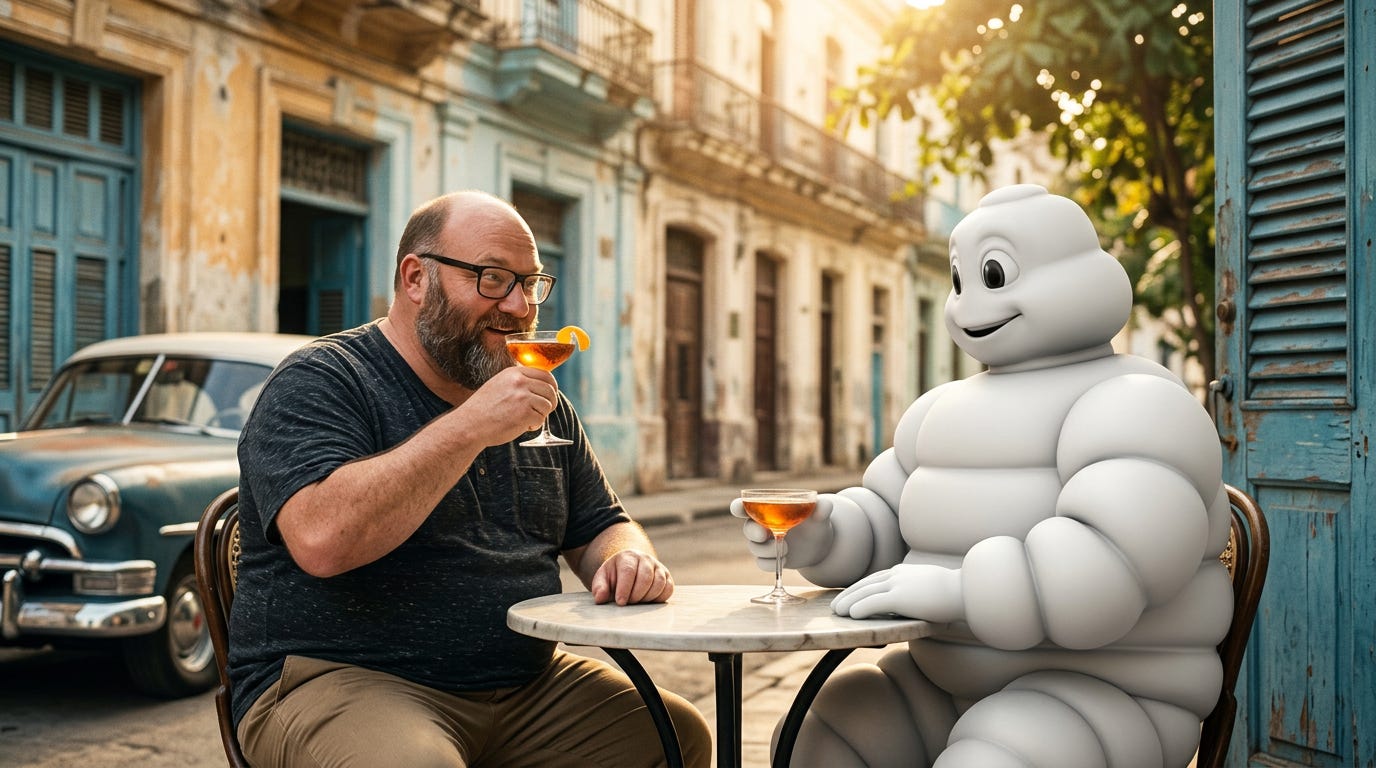
A drink that gave itself a title. How very Marketing of it.
The El Presidente came out of 1920s Havana, and it was never really a cocktail, it was flattery. Bartenders named it after the sitting Cuban president, most likely the strongman Gerardo Machado, because attaching your drink to the most powerful man in the country was good business.
Prohibition-era Havana was wall-to-wall thirsty American tourists. So the drink got a presidential name and a presidential glow. None of which it earned.
Then the politics curdled. Machado’s government collapsed into dictatorship and got overthrown, and the man the drink honoured became someone nobody wanted near their bar. The cocktail survived for one reason. It’s actually good.
That’s the issue in a glass. Everything this week is a thing reaching for a name bigger than itself. The El Presidente at least delivers on the flattery. The brands betting on platforms should hope they age as well, and they only will if, like the drink, there’s something good under the grand name.
1.5 oz white rum
1 oz dry vermouth
1 tsp orange curaçao
1 dash grenadine
Stir with ice, strain into a chilled coupe, orange twist. A decent aged rum rounds it out, not going to lie, I made mine with Captain Morgan spiced, the original used a crisp Cuban light rum, so anything clean works.
The Drink Cart is the newsletter version of sitting at a really good bar with someone who thinks too much about advertising and won’t shut up about it. Subscribe to get it on Wednesdays and Fridays.